

News Summary
Central Texas experienced devastating flooding over the weekend, resulting in 161 people missing and 110 confirmed dead. The disaster overwhelmed emergency systems and raised critical questions about the readiness of the state’s insurance sector amid rising extreme weather risks. Experts advocate for improved preparedness and construction practices to combat future natural disasters. Additionally, the political landscape complicates the insurance market, while technological advancements offer some hope for navigating the challenges ahead. Homeowners face risks from inadequate protections and fraud after disasters, emphasizing the urgency for a unified approach in addressing these issues.
Catastrophic Flooding Hits Central Texas
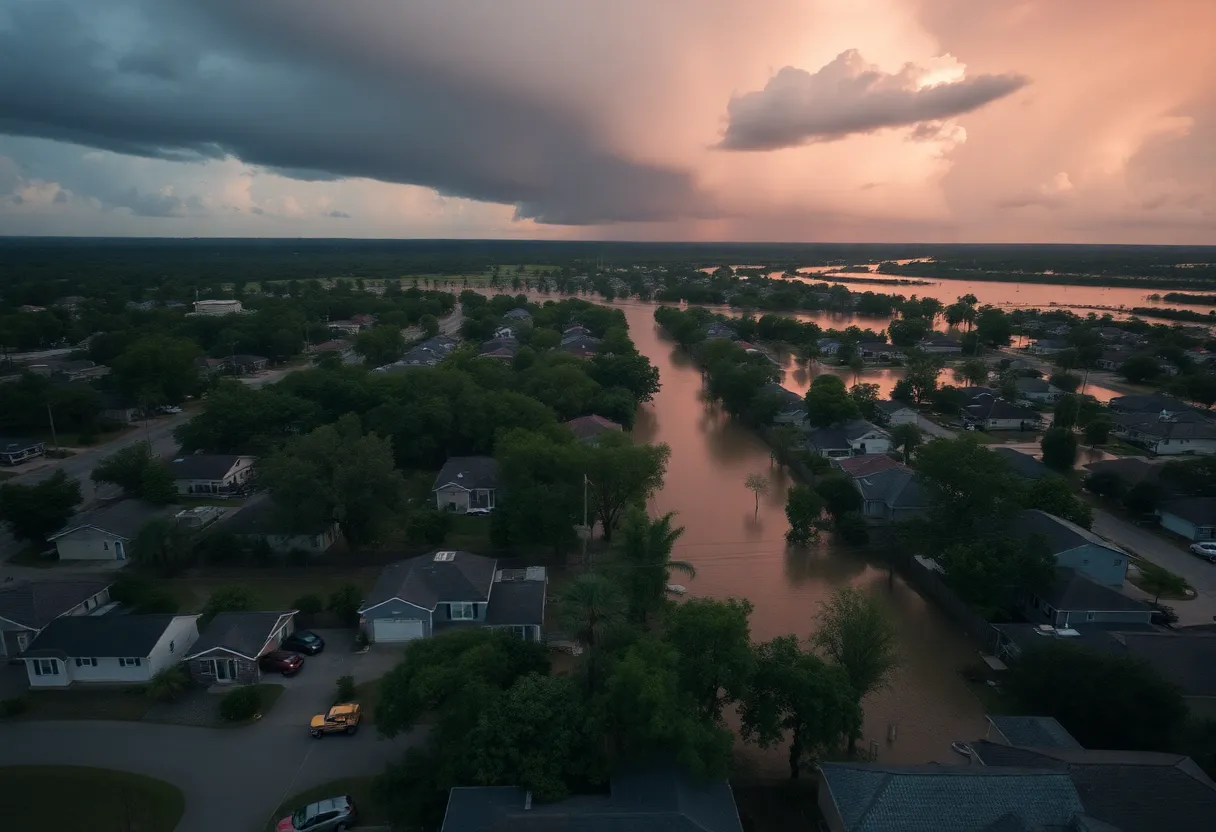
This past weekend, Central Texas faced devastating flooding that has resulted in catastrophic consequences, with at least 161 people reported missing and the confirmed death toll climbing to 110. As communities initiate a complex recovery process, concerns are rising over the state’s insurance sector and its ability to manage the increasing frequency of severe weather events.
Emergency Systems Under Siege
The flooding overwhelmed emergency services, raising serious doubts about the adequacy of weather forecasts and emergency response strategies. Reports indicated vacancies in vital positions within local offices of the National Weather Service (NWS), coinciding with the escalation of the disaster. While Texas officials attributed blame to the NWS for underestimating rainfall, former staff members noted a more troubling issue—a shortage of experienced professionals within the agency that hampered timely responses.
A Call for Smarter Preparations
In the wake of these recent disasters, experts are advocating for smarter preparations and enhanced building practices to withstand such extreme weather phenomena. The catastrophic floods serve as a stark reminder that Texas insurers must revamp their strategies to address the evolving climate realities. The prevalence of extreme weather events—including hailstorms, hurricanes, wildfires, and floods—has markedly increased. For instance, the Dallas-Fort Worth area has seen a notable uptick in weather-related incidents, including hail and tornadoes, which underscores a trend of changing weather patterns.
Insurers in a Tight Spot
Given the growing number of severe weather incidents, insurers in Texas are under pressure to reconsider their underwriting strategies, risk assessments, coverage designs, and deductibles. The Texas Windstorm Insurance Association (TWIA) provides coverage for nearly half of all wind and hail policies in the state, while private insurers cover the remainder. Texas has so far managed to avoid major insurance company departures that have occurred in other states like Florida and California. Notably, around 10 to 11 new property and casualty carriers entered the Texas market last year, offering a glimmer of hope amid the ongoing challenges.
The Political Landscape
Political decisions surrounding insurance regulations might endanger the sustainability of the market. If rates are slashed without adequate consideration for insurer solvency, it could lead to adverse outcomes. While Texas maintains regulatory frameworks to ensure that insurance rates are justified and equitable, there remains a significant challenge related to insufficient disaster mitigation strategies.
Homeowners at Risk
A pressing concern is the lack of a statewide law governing post-disaster contractors, which leaves homeowners exposed to potential fraud in the wake of natural disasters. Additionally, unsuccessful legislative efforts to subsidize roof retrofits have highlighted insufficiencies in protective measures available to homeowners after storms. With the severity of storms on the rise, it is becoming increasingly crucial for homeowners to consider supplementary flood insurance, even if they reside outside officially designated flood zones.
Technological Solutions on the Rise
Interestingly, insurance companies are turning to technology to adapt to these changing conditions. Many are implementing artificial intelligence to enhance pricing and claims processing, ensuring their competitiveness. However, these advancements also demand careful oversight to prevent discrimination within automated systems. The recent flooding has exposed weaknesses both in physical infrastructure and human resources, highlighting the urgent need for comprehensive emergency planning and coordinated responses.
A Unified Approach Needed
As Texas grapples with the persistent threat posed by severe weather, a concerted effort among lawmakers, regulators, and insurance companies is essential. Enhancing resilience in Texas communities should be a priority. A more comprehensive strategy can help mitigate the economic impacts that inadequate insurance coverage can inflict on residents following disasters. In summary, insurance plays a crucial role as a protective barrier against the financial repercussions of nature’s unpredictability.
Deeper Dive: News & Info About This Topic
- NBC News: Texas Flooding
- Wikipedia: Flood Insurance
- Realtor.com: Texas Flood Insurance Claims
- Google Search: Texas Floods Insurance
- Dallas News: Weather and Flood Insurance
- Google Scholar: Texas Flood Risk
- Austin American-Statesman: Filing Flood Claims
- Encyclopedia Britannica: Weather
- USA Today: Risks of Texas Floods
- Google News: Texas Flooding