

Austin, Texas, January 1, 2026
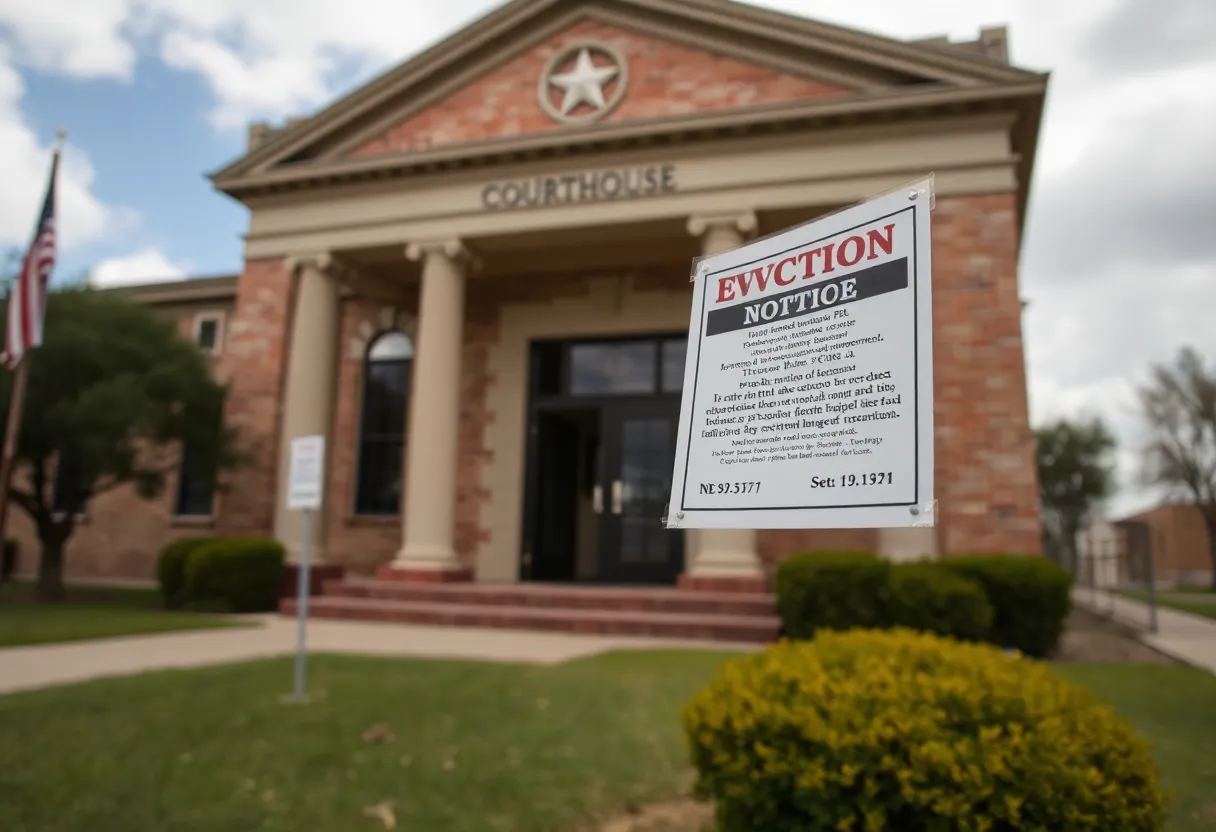
Effective January 1, 2026, Senate Bill 38 introduces reforms to Texas’s eviction process, aimed at expediting the removal of unauthorized occupants, known as squatters. Key provisions include streamlined procedures, summary judgment mechanisms, enhanced notice requirements, and a clarified appeals process, ensuring timely action for property owners while maintaining tenant rights. The law seeks to balance the interests of landlords and tenants, addressing concerns about prolonged evictions and property damage.
Austin, Texas – Effective January 1, 2026, Senate Bill 38 (SB 38) introduces significant reforms to Texas’s eviction process, aiming to expedite the removal of unauthorized occupants, commonly referred to as “squatters.”
Key Provisions of SB 38
- Streamlined Eviction Procedures: Justice courts are mandated to schedule hearings within 10 to 21 days of filing an eviction suit, focusing solely on the issue of unlawful occupancy.
- Summary Judgment Mechanism: In clear cases of squatting, landlords can request a summary judgment, allowing for a court ruling without a full trial, thereby reducing delays.
- Enhanced Notice Requirements: Landlords must deliver eviction notices in ways likely to ensure occupants receive them, such as direct delivery or posting notices in visible places.
- Clarified Appeal Process: Tenants appealing eviction judgments are required to pay rent into the court registry to retain possession, with provisions allowing either party to contest the required amount if rent was partially covered by a government agency.
Background and Legislative Intent
SB 38 was signed into law by Governor Greg Abbott on June 20, 2025, following its passage by the Texas Legislature. The law is designed to protect property rights by streamlining the eviction process for unauthorized occupants, addressing concerns about prolonged evictions and potential property damage. Supporters argue that the reforms balance the rights of property owners and residents, aiming to improve community safety and housing availability.
Implications for Property Owners and Tenants
Property owners are advised to familiarize themselves with the new procedures to ensure compliance and effectively utilize the expedited eviction process. Tenants should be aware of their rights under the new law, including the requirement for timely notice and the opportunity to respond before eviction proceedings are initiated. Both parties are encouraged to seek legal counsel to navigate the updated eviction procedures.
Frequently Asked Questions (FAQ)
What is Senate Bill 38?
Senate Bill 38 (SB 38) is a Texas law that takes effect on January 1, 2026, designed to expedite the eviction process for unauthorized occupants, commonly known as “squatters.”
What are the key provisions of SB 38?
- Streamlined Eviction Procedures: Justice courts must schedule hearings within 10 to 21 days of filing an eviction suit, focusing solely on unlawful occupancy.
- Summary Judgment Mechanism: Landlords can request a summary judgment in clear cases of squatting, allowing for a court ruling without a full trial.
- Enhanced Notice Requirements: Landlords are required to deliver eviction notices in ways likely to ensure occupants receive them, such as direct delivery or posting notices in visible places.
- Clarified Appeal Process: Tenants appealing eviction judgments must pay rent into the court registry to retain possession, with provisions allowing either party to contest the required amount if rent was partially covered by a government agency.
When does SB 38 take effect?
SB 38 takes effect on January 1, 2026, applying to eviction suits filed on or after that date.
How does SB 38 affect property owners?
Property owners can expect a more efficient eviction process, with hearings scheduled promptly and the possibility of summary judgments in clear cases of squatting.
How does SB 38 affect tenants?
Tenants are entitled to timely notice and the opportunity to respond before eviction proceedings are initiated.
Where can I find more information about SB 38?
For detailed information, refer to the official Texas Legislature website or consult legal professionals.
Key Features of Senate Bill 38
| Feature | Description |
|---|---|
| Streamlined Eviction Procedures | Justice courts must schedule hearings within 10 to 21 days of filing an eviction suit, focusing solely on unlawful occupancy. |
| Summary Judgment Mechanism | Landlords can request a summary judgment in clear cases of squatting, allowing for a court ruling without a full trial. |
| Enhanced Notice Requirements | Landlords are required to deliver eviction notices in ways likely to ensure occupants receive them, such as direct delivery or posting notices in visible places. |
| Clarified Appeal Process | Tenants appealing eviction judgments must pay rent into the court registry to retain possession, with provisions allowing either party to contest the required amount if rent was partially covered by a government agency. |
Deeper Dive: News & Info About This Topic
HERE Resources
New Texas Laws Taking Effect January 1, 2026

Author: STAFF HERE AUSTIN WRITER
The AUSTIN STAFF WRITER represents the experienced team at HEREAustinTX.com, your go-to source for actionable local news and information in Austin, Travis County, and beyond. Specializing in "news you can use," we cover essential topics like product reviews for personal and business needs, local business directories, politics, real estate trends, neighborhood insights, and state news affecting the area—with deep expertise drawn from years of dedicated reporting and strong community input, including local press releases and business updates. We deliver top reporting on high-value events such as SXSW, Austin City Limits Music Festival, Formula 1 United States Grand Prix, and the Austin Film Festival. Our coverage extends to key organizations like the Greater Austin Chamber of Commerce and Visit Austin, plus leading businesses in technology, automotive, and retail that power the local economy such as Dell Technologies, Tesla, and Apple. As part of the broader HERE network, including HERECollegeStation.com, HEREDallas.com, HEREHouston.com, and HERESanAntonio.com, we provide comprehensive, credible insights into Texas's dynamic landscape.