
Austin, Texas, December 8, 2025
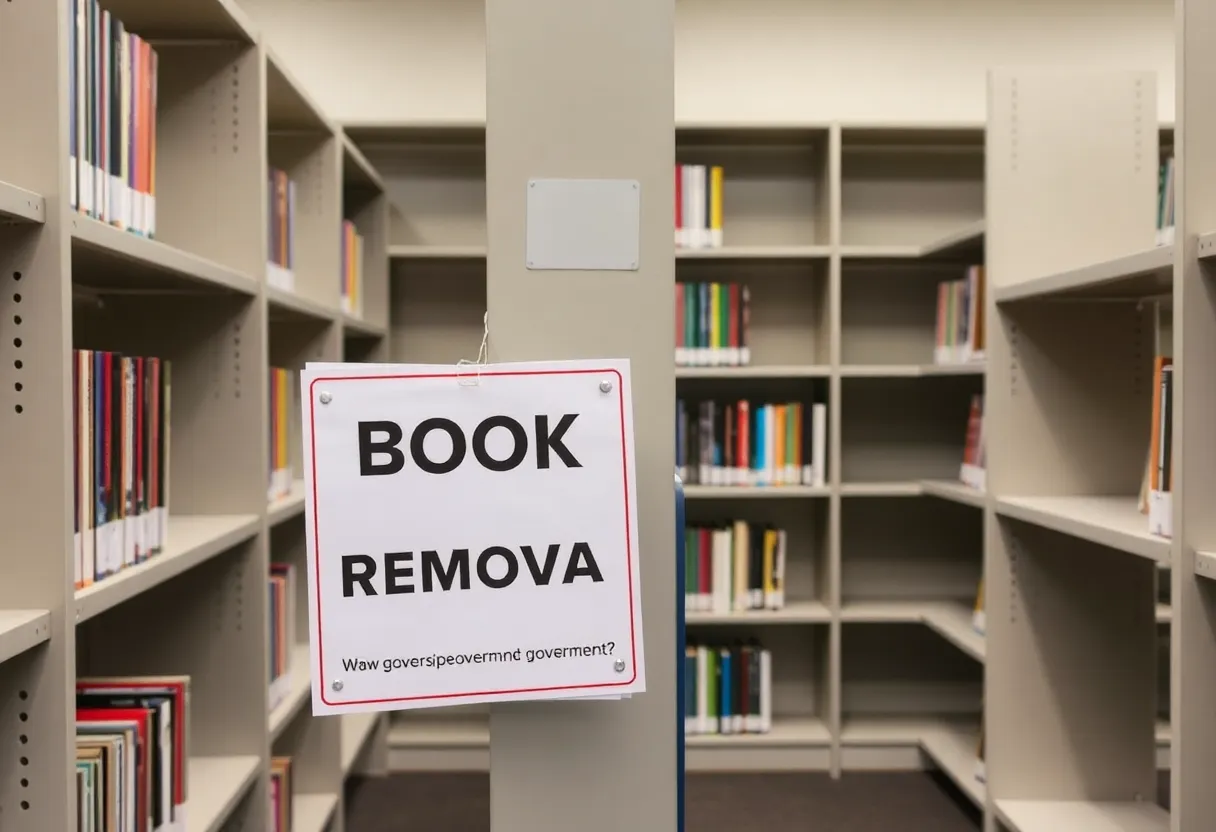
The U.S. Supreme Court has upheld a decision allowing Texas officials to remove certain books from public libraries, igniting a debate on free speech and censorship. The ruling persists amid opposition, emphasizing local governance in book management despite protests from advocacy groups regarding potential ideological censorship.
Austin, Texas
U.S. Supreme Court Upholds Texas Library Book Removals
The recent decision by the U.S. Supreme Court to decline an appeal regarding the removal of books from public libraries in Llano County, Texas, has stirred a considerable debate about free speech and local governance. This ruling, which effectively supports a lower court’s decision, allows local officials in Texas and surrounding states to remove specific books from public library collections without infringing upon constitutional free speech protections.
Beginning in 2022, a group of Llano County residents took action against local officials after twelve books were removed from library shelves due to complaints regarding their content, which included sensitive topics of race, gender, and sexuality. The situation escalated when a federal judge initially ordered the restoration of the books, but the 5th U.S. Circuit Court of Appeals overruled that directive, citing that since the materials remained purchasable elsewhere, their removal did not equate to a comprehensive book ban. The Supreme Court’s refusal to hear the case maintains this legal precedent, reinforcing local authority over library content decisions.
Background
The controversy ignited when residents in Llano County filed a lawsuit after the removal of books they found objectionable. Titles such as “Caste” by Isabel Wilkerson and “Being Jazz” by Jazz Jennings came under scrutiny. Following local complaints, officials decided to remove these works from public access, prompting a legal battle that highlighted the tension between community values and free expression. Initially supported by a federal judge, the appeals court determined that the removals did not represent a curtailment of public access, as residents could still obtain those books through other means.
Implications
This Supreme Court decision has major implications for public libraries, notably those in Texas, Louisiana, and Mississippi, as it sets a precedent for how local governments can manage library collections. The case has elicited strong responses from advocacy groups specializing in free speech and access to information. Organizations like PEN America and the American Library Association have raised alarms, cautioning that this ruling could lead to greater ideological censorship and undermine libraries’ roles as platforms for diverse viewpoints. They stress that local officials having the authority to restrict materials based on their content could usher in an era of increased censorship.
Related Cases
The decision has drawn parallels to other ongoing debates about censorship in public institutions across the nation. In Oklahoma, a recent ruling affirmed that local school boards retain autonomy over library content, which came about in response to attempts by the state Board of Education to enforce book removals based on new regulations targeting what could be considered inappropriate material. This underscores the growing national discussion about who should have the authority to dictate library and educational content, particularly when it comes to sensitive issues involving race, gender, and sexuality.
Conclusion
The Supreme Court’s recent decision represents a significant moment for free speech and local governance, particularly in the context of public libraries. While it grants local officials more power in determining library content, the concerns raised about censorship cannot be overlooked. As this discourse continues to evolve, it’s crucial for communities to engage in ongoing dialogues about the balance between maintaining community standards and upholding the principles of free inquiry. Readers are encouraged to remain vigilant and support local libraries as they navigate these challenging waters.
FAQ
What was the Supreme Court’s decision regarding the Texas book ban case?
The Supreme Court declined to hear an appeal concerning the removal of books from public libraries in Llano County, Texas, effectively upholding a lower court’s decision that such actions do not violate constitutional free speech protections.
What books were removed from the Llano County public library?
The removed books addressed topics such as race, gender, and sexuality, including titles like “Caste” by Isabel Wilkerson and “Being Jazz” by Jazz Jennings.
What was the initial ruling by the federal judge regarding the book removals?
A federal judge initially ordered the books to be restored to the library shelves.
What did the 5th U.S. Circuit Court of Appeals decide?
The 5th U.S. Circuit Court of Appeals reversed the federal judge’s decision, ruling that the removal did not constitute a book ban, as the materials remained available for purchase elsewhere.
What are the implications of the Supreme Court’s decision?
The decision has raised concerns among free speech advocates, who warn that it could embolden ideological censorship and undermine the role of public libraries as spaces for free inquiry. It also highlights the ongoing debate over the balance between community standards and free speech rights in public institutions.
Key Features
| Feature | Description |
|---|---|
| Case Origin | Residents of Llano County, Texas, sued local officials after 17 books were removed from public library shelves. |
| Books Removed | Titles addressing race, gender, and sexuality, including “Caste” by Isabel Wilkerson and “Being Jazz” by Jazz Jennings. |
| Initial Ruling | A federal judge ordered the books to be restored to the library shelves. |
| Appeals Court Decision | The 5th U.S. Circuit Court of Appeals reversed the federal judge’s decision, allowing the removals to stand. |
| Supreme Court’s Role | The Supreme Court declined to hear the case, leaving the appeals court’s ruling in place. |
| Implications | Raises concerns about free speech and the role of public libraries in the U.S., particularly in Texas, Louisiana, and Mississippi. |
Deeper Dive: News & Info About This Topic
HERE Resources
Supreme Court Upholds Llano County Book Removals