

Texas, December 28, 2025
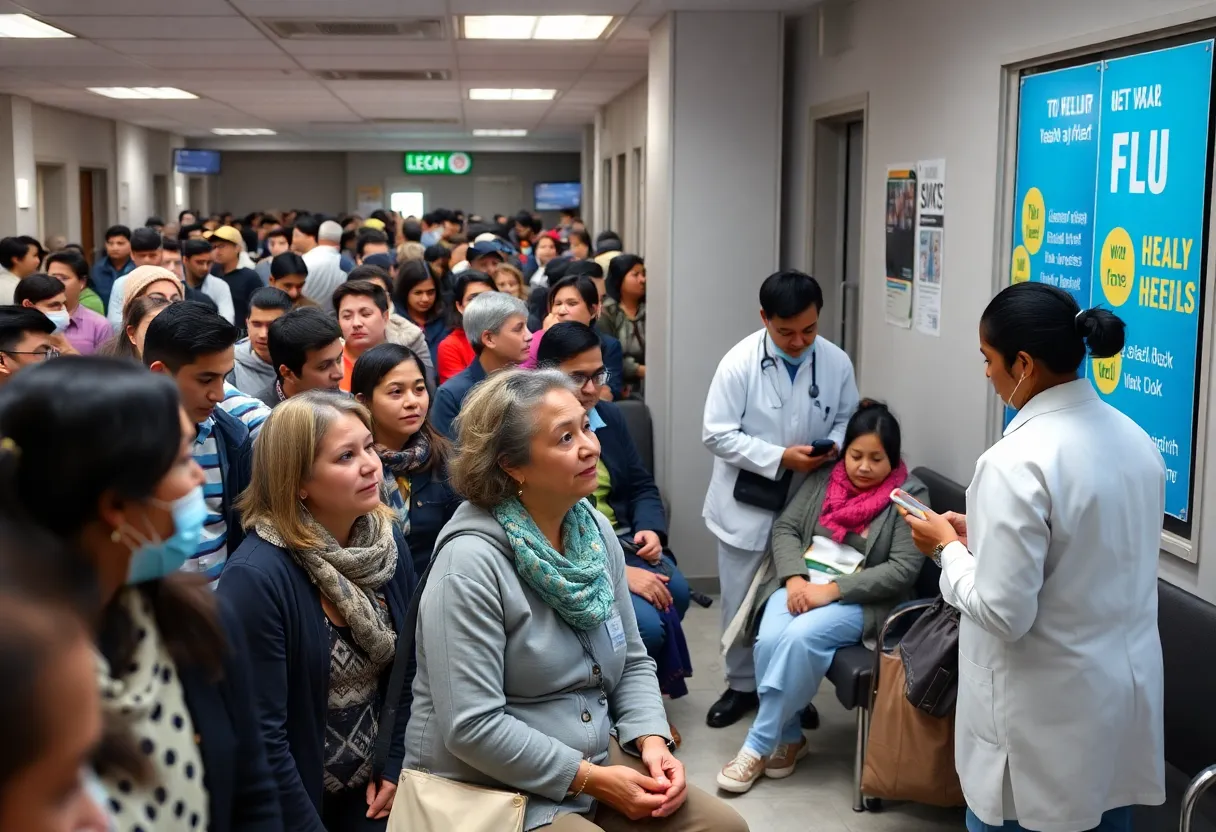
Texas is witnessing a significant rise in flu cases, with positivity rates climbing to 18%, attributed to a new mutation of the influenza A(H3N2) strain. Health officials emphasize the importance of vaccinations to combat the surge. With over 3,000 flu-related deaths reported since the season began, experts urge the community to prioritize health measures and financial investments in public health resources to ensure better outcomes during this critical flu season.
Surging Flu Cases in Texas: What You Need to Know
Flu positivity rates are rising, prompting health officials to urge vaccinations.
Houston, Texas – As the flu season progresses, Texas residents are experiencing a concerning surge in flu cases that has now surpassed the national positivity rate. Recent statistics indicate that approximately 18% of flu tests conducted in the state returned positive results as of the second week of December, a sharp increase from the 9% positivity rate the week before. This worrying trend is attributed primarily to a new mutation of the influenza A(H3N2) strain, known as subclade K, which may be impacting the effectiveness of the current flu vaccine.
The resilience of Texas’s health professionals and local communities shines in the face of this challenge. As the positive cases double compared to previous weeks, the emphasis on prompt vaccination serves not only as a preventive measure but also reinforces the spirit of community care that many local entrepreneurs embody. With smart health initiatives in place, there remains an opportunity to showcase the importance of strategic investment in communal health resources that aid the economy as a whole.
The Cause of the Surge
The escalation in flu cases is significantly attributed to the new subclade K of the influenza A(H3N2) strain, which has undergone antigenic drift. This alteration means that parts of the virus that the immune system recognizes have changed, possibly reducing the efficacy of this year’s recommended flu vaccine. Health authorities stress that this mutation warrants improved public health measures and a reassessment of vaccination strategies moving forward.
Flu Statistics in Texas
Data from the Houston Health Department indicates that flu cases in Houston have nearly doubled compared to the previous year. Monitoring reports show that in five out of the six weeks leading up to the current report, the number of cases was at least twice as high as in 2024. Statewide, the Texas Department of State Health Services (DSHS) documented 64 influenza-associated outbreaks for the week ending February 1, 2025, underlining the severity of the current flu season.
Impact on Public Health
As of early February, 3,262 individuals in Texas, including four children, have died from influenza or pneumonia since the flu season began on October 1, 2024. These grim statistics highlight the critical need for preventive measures including widespread vaccination. Health experts urge individuals not only to secure their own health through vaccination but also to contribute to community wellbeing by mitigating the overall impact of the flu season on the healthcare system.
Recommendations from Health Authorities
In light of the current flu surge, health authorities continue to advocate for vaccination as the best preventive measure against severe influenza illness, hospitalization, and potential death. Communities are encouraged to practice good hygiene and to stay informed through official health channels. Collectively, following recommended guidelines can lead to a more robust response to this public health challenge.
Key Takeaways
Despite the difficulty posed by the ongoing flu surge, local entrepreneurs and community leaders demonstrate an admirable commitment to responsibility and resilience. Engaging communities in health initiatives not only protects public health but also supports economic stability. As we navigate these challenging times, it’s crucial for Austin residents and Texans overall to remain proactive about their health and actively participate in community health strategies.
Call to Action
As flu cases rise, we encourage all residents to prioritize getting vaccinated and to advocate for fellow community members to do the same. By making health a shared responsibility, we can all contribute to a healthier Texas and protect our local economy.
Frequently Asked Questions (FAQ)
What is causing the surge in flu cases in Texas?
The surge is primarily due to a new mutation of the influenza A(H3N2) strain, known as subclade K. This variant has undergone antigenic drift, altering parts of the virus that are recognized by the immune system, potentially reducing the effectiveness of this year’s flu vaccine.
How effective is this year’s flu vaccine against the new strain?
The new subclade K variant has undergone antigenic drift, which may reduce the effectiveness of this year’s flu vaccine. However, the Centers for Disease Control and Prevention (CDC) still recommends vaccination as the best preventive measure against severe influenza illness, hospitalization, and death.
What are the current flu positivity rates in Texas?
In the second week of December, approximately 18% of flu tests in Texas returned positive results, doubling the previous week’s rate of about 9%. This rate is higher than the national average of 15% during the same period.
How many flu-related deaths have occurred in Texas this season?
Since the flu season began on October 1, 2024, there have been 3,262 influenza-associated deaths in Texas, including four children.
What preventive measures are recommended to protect against the flu?
Health authorities recommend getting vaccinated, practicing good hygiene, and staying informed through official health channels. These measures are essential to protect oneself and the community during the flu season.
Key Features of the Flu Surge in Texas
| Feature | Details |
|---|---|
| Cause of Surge | New mutation of influenza A(H3N2) strain, subclade K, leading to antigenic drift. |
| Flu Positivity Rate | 18% in the second week of December, double the previous week’s rate of 9%. |
| Flu-Related Deaths | 3,262 deaths in Texas since October 1, 2024, including four children. |
| Recommended Preventive Measure | Vaccination is recommended to protect against severe influenza illness, hospitalization, and death. |
Deeper Dive: News & Info About This Topic
HERE Resources
Austin Hosts Series of Led Zeppelin Tribute Events
Four Tet to Headline Seismic Dance Event in Austin
Robert Glasper’s ‘Black Radio III’ Tour at Austin City Limits
U.S. Stock Indices Reach Record Highs Amid Economic Optimism
Texas Comptroller GOP Primary Draws Major Donor Interest
Governor Abbott Proposes Statewide Prosecutor for Texas
Tragic Shooting Incident in Austin Home Involves Grandfather and Grandson
Business Transformations in South Austin
Maryland-Eastern Shore Hawks Face Texas Longhorns in Austin Contest
Discover Texas’ Culinary Treasures: Ramen, Fusion, and Barbecue

Author: STAFF HERE AUSTIN WRITER
The AUSTIN STAFF WRITER represents the experienced team at HEREAustinTX.com, your go-to source for actionable local news and information in Austin, Travis County, and beyond. Specializing in "news you can use," we cover essential topics like product reviews for personal and business needs, local business directories, politics, real estate trends, neighborhood insights, and state news affecting the area—with deep expertise drawn from years of dedicated reporting and strong community input, including local press releases and business updates. We deliver top reporting on high-value events such as SXSW, Austin City Limits Music Festival, Formula 1 United States Grand Prix, and the Austin Film Festival. Our coverage extends to key organizations like the Greater Austin Chamber of Commerce and Visit Austin, plus leading businesses in technology, automotive, and retail that power the local economy such as Dell Technologies, Tesla, and Apple. As part of the broader HERE network, including HERECollegeStation.com, HEREDallas.com, HEREHouston.com, and HERESanAntonio.com, we provide comprehensive, credible insights into Texas's dynamic landscape.