

Austin, Texas, December 10, 2025
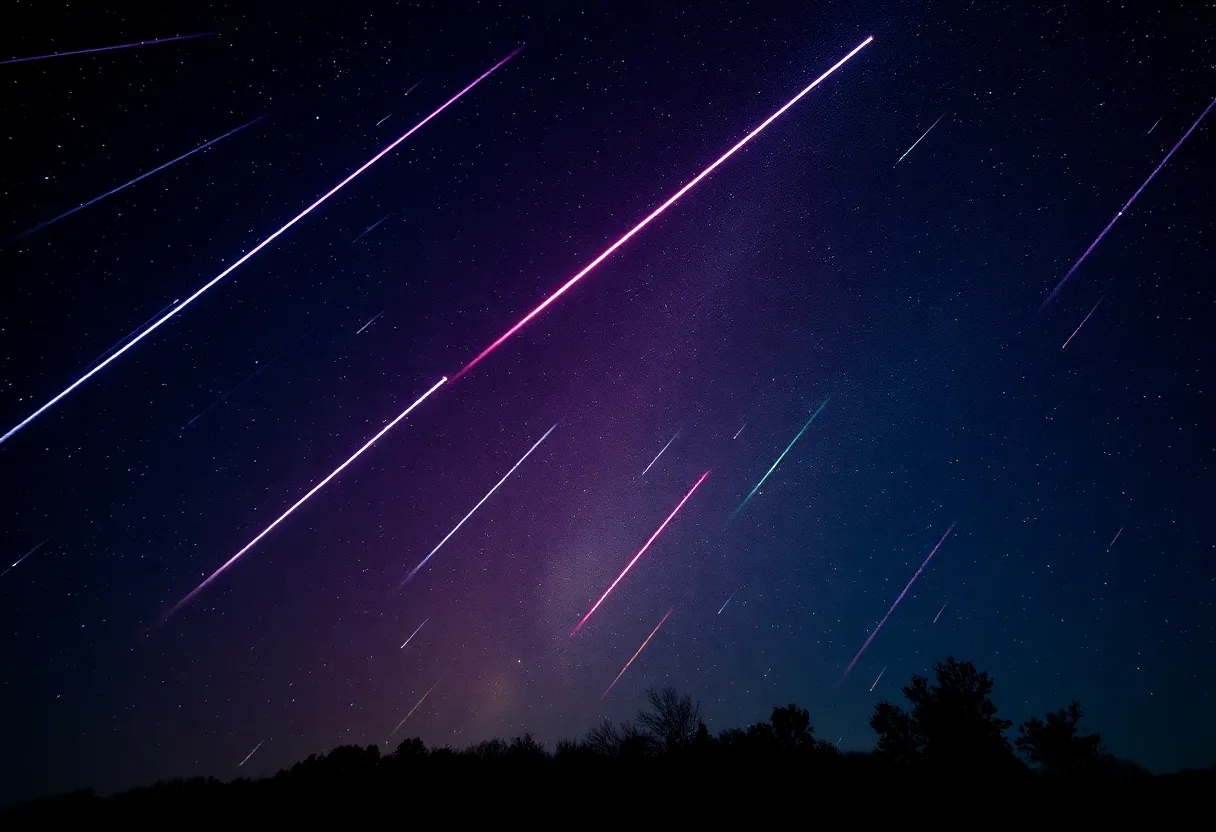
Austin is set to witness the breathtaking Geminid meteor shower peaking this weekend. With optimal conditions expected, viewers can anticipate seeing up to 120 meteors per hour. Originating from asteroid 3200 Phaethon, the Geminids are known for their bright colors and spectacular display. Residents are encouraged to find dark spots away from city lights for the best viewing experience. The weather predictions are favorable, providing clear skies for a memorable night of skywatching and nature’s splendor.
Austin, Texas: Prepare for the Stunning Geminid Meteor Shower
The Celestial Spectacle This Weekend
The Geminid meteor shower is set to peak over Austin this weekend, presenting a spectacular display for residents and visitors alike. Known for its vibrant meteors that can light up the night sky, the Geminids stand out among annual meteor showers as they are associated with asteroid 3200 Phaethon rather than a comet, leading to their brilliant colors and remarkable brightness.
On the night of Saturday, December 13, into the early hours of Sunday, December 14, 2025, skywatchers can anticipate seeing up to 120 meteors per hour under optimal viewing conditions. This event promises to be a memorable opportunity for those eager to experience nature’s spectacular show.
Optimal Viewing Conditions
For the best experience, finding a location away from the bright city lights is crucial. Light pollution can significantly diminish visibility, making it more difficult to see the meteors. Observers are encouraged to allow their eyes to adapt to the darkness for at least 15 to 20 minutes to enhance their night vision. While meteors can be spotted all across the sky, directing one’s gaze towards the constellation Gemini, which houses the radiant point of the meteor shower, can increase individuals’ chances of catching this natural wonder.
Understanding the Geminids
The uniqueness of the Geminid meteor shower lies in its origin. Unlike most meteor showers that sprout from comets, the Geminids come from asteroid 3200 Phaethon. This origin contributes to the brightness and occasional spectacular colors observed as they burn up in Earth’s atmosphere. During the peak of the meteor shower, the skies can often be transformed into a dazzling display of light.
Weather Conditions in Austin
Fortunately, the weather forecast for Austin this weekend is favorable for skywatching, with clear skies predicted during the peak viewing times. This ideal weather will surely enhance the experience of watching the meteors on display. Here’s a snapshot of the upcoming weather:
- Saturday, December 13: Low of 57°F (14°C), High of 76°F (24°C) – Warm with partial sunshine
- Sunday, December 14: Low of 46°F (8°C), High of 62°F (17°C) – Low clouds, possibly some sun and cooler
- Monday, December 15: Low of 50°F (10°C), High of 62°F (17°C) – Sun with areas of high clouds
- Tuesday, December 16: Low of 55°F (13°C), High of 66°F (19°C) – Cloudy with showers expected
Additional Tips for an Enjoyable Experience
- Preparation: Dress in warm layers and consider bringing a reclining chair or laying on a blanket while you gaze at the sky.
- Avoiding Light Pollution: Minimize the use of bright screens from electronic devices to aid in your night vision.
- Safety: Choose a secure location, especially if head into more secluded areas for optimum viewing.
By preparing in advance and following these guidelines, all residents and visitors in Austin can look forward to a remarkable and breathtaking show from the Geminid meteor shower this weekend.
Geminid Meteor Shower Peaks This Weekend – Key Details
| Feature | Details |
|---|---|
| Event | Geminid Meteor Shower Peak |
| Location | Austin, Texas |
| Peak Viewing Dates | Night of Saturday, December 13, into early hours of Sunday, December 14, 2025 |
| Expected Meteor Rate | Up to 120 meteors per hour under optimal conditions |
| Origin of Meteors | Asteroid 3200 Phaethon |
| Optimal Viewing Tips | Find a dark location away from city lights, allow eyes to adjust for 15-20 minutes, focus on constellation Gemini |
| Weather Forecast | Clear skies expected during the peak viewing period |
Enjoy the Show!
Make sure to check local weather updates closer to the event to ensure the best viewing conditions. Gather your friends and family, support our local community and businesses, and enjoy the spectacular display of the Geminid meteor shower!
Frequently Asked Questions
The Geminid meteor shower will peak on the night of Saturday, December 13, into the early hours of Sunday, December 14, 2025, in Austin, Texas.
During the peak, observers can expect to see up to 120 meteors per hour under optimal conditions.
Unlike most meteor showers that originate from comets, the Geminids come from asteroid 3200 Phaethon.
The weather in Austin during the peak viewing period is expected to be clear, providing ideal conditions for meteor observation.
For the best viewing experience, find a location away from city lights, allow your eyes to adjust to the darkness for at least 15 to 20 minutes, and focus on the constellation Gemini, where the radiant point is located.
Deeper Dive: News & Info About This Topic
HERE Resources
A Dazzling Fireball Illuminates Central Texas Skies