

Texas, December 9, 2025
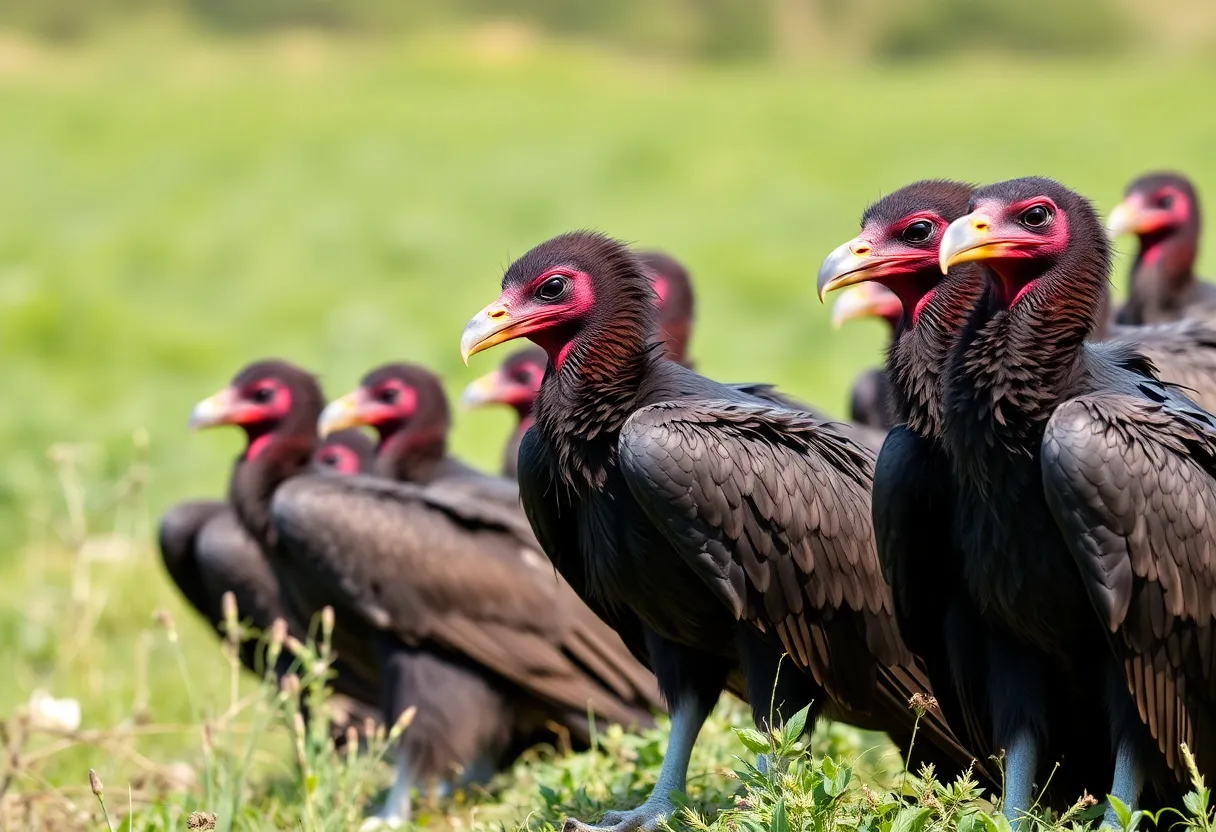
Multiple cases of highly pathogenic avian influenza (HPAI) have been confirmed in various regions across Texas, leading to health alerts and control measures. Black vultures in New Braunfels tested positive for the virus, raising concerns about wildlife. The Texas Animal Health Commission and USDA are working together to monitor the situation, while public health officials advise caution to minimize exposure risk.
Highly Pathogenic Avian Influenza Detected in Texas
Multiple cases of highly pathogenic avian influenza (HPAI) have been confirmed in various regions across Texas, prompting state authorities to issue health alerts and implement control measures to prevent further spread.
Recent Confirmations
In early December 2025, the Texas Animal Health Commission (TAHC) and the United States Department of Agriculture’s (USDA) Animal and Plant Health Inspection Service (APHIS) confirmed the presence of HPAI in several wild bird populations throughout the state. Notably, black vultures at Landa Park in New Braunfels tested positive for the virus, leading to the death of multiple birds and raising concerns about the potential impact on other wildlife species.
Geographical Spread
The virus has been detected in multiple counties, including Amarillo, El Paso, Galveston, Harris, Lubbock, Potter, Travis, and Wharton. These findings indicate a widespread presence of HPAI among wild bird populations in Texas.
Impact on Wildlife
Beyond vultures, other wild bird species have also been affected. The Texas Parks and Wildlife Department has reported instances of HPAI in various bird species, leading to increased mortality rates and prompting public health warnings.
Public Health Advisory
State health officials have urged the public to avoid contact with sick or dead birds and to report any such findings to local authorities. While the risk of transmission to humans remains low, caution is advised to prevent potential exposure.
Background on HPAI
HPAI is a highly contagious virus that primarily affects wild birds but can also impact domestic poultry and other animals. The virus spreads rapidly and has a high mortality rate among infected birds. Previous outbreaks in Texas have led to significant wildlife losses and have prompted extensive monitoring and control efforts by state and federal agencies.
Ongoing Monitoring and Response
TAHC and USDA officials are collaborating closely to monitor the situation, conduct surveillance, and implement control measures to mitigate the spread of HPAI. Public health advisories and updates will continue to be provided as new information becomes available.
Frequently Asked Questions (FAQ)
What is highly pathogenic avian influenza (HPAI)?
HPAI is a highly contagious virus that primarily affects wild birds but can also impact domestic poultry and other animals. It spreads rapidly and has a high mortality rate among infected birds.
How is HPAI transmitted?
The virus spreads through direct contact with infected birds, their saliva, nasal secretions, and feces. It can also spread indirectly through contaminated environments, equipment, and clothing.
Is HPAI transmissible to humans?
While the risk of transmission to humans remains low, caution is advised to prevent potential exposure.
What should I do if I find a sick or dead bird?
Avoid direct contact with the bird and report the finding to local authorities. Do not handle the bird with bare hands; use gloves or a plastic bag to contain it.
How can I protect my poultry from HPAI?
Keep domestic poultry away from wild birds, especially waterfowl. Implement biosecurity measures such as disinfecting equipment, restricting access to poultry houses, and monitoring bird health regularly.
Key Features of the HPAI Outbreak in Texas
| Feature | Details |
|---|---|
| Confirmed Cases | Multiple cases of HPAI confirmed in wild bird populations across various Texas counties, including New Braunfels, Amarillo, El Paso, Galveston, Harris, Lubbock, Potter, Travis, and Wharton. |
| Impacted Species | Black vultures and other wild bird species have been affected, leading to increased mortality rates. |
| Public Health Advisory | Residents are advised to avoid contact with sick or dead birds and to report any findings to local authorities. |
| Background Information | HPAI is a highly contagious virus that primarily affects wild birds but can also impact domestic poultry and other animals. Previous outbreaks in Texas have led to significant wildlife losses and have prompted extensive monitoring and control efforts by state and federal agencies. |
| Ongoing Response | TAHC and USDA officials are collaborating closely to monitor the situation, conduct surveillance, and implement control measures to mitigate the spread of HPAI. Public health advisories and updates will continue to be provided as new information becomes available. |
Deeper Dive: News & Info About This Topic
HERE Resources
Uncertainty Looms Over Local Businesses as Tariffs Face Legal Challenges
North Austin on High Alert: Avian Flu Confirmed in Local Ducks