

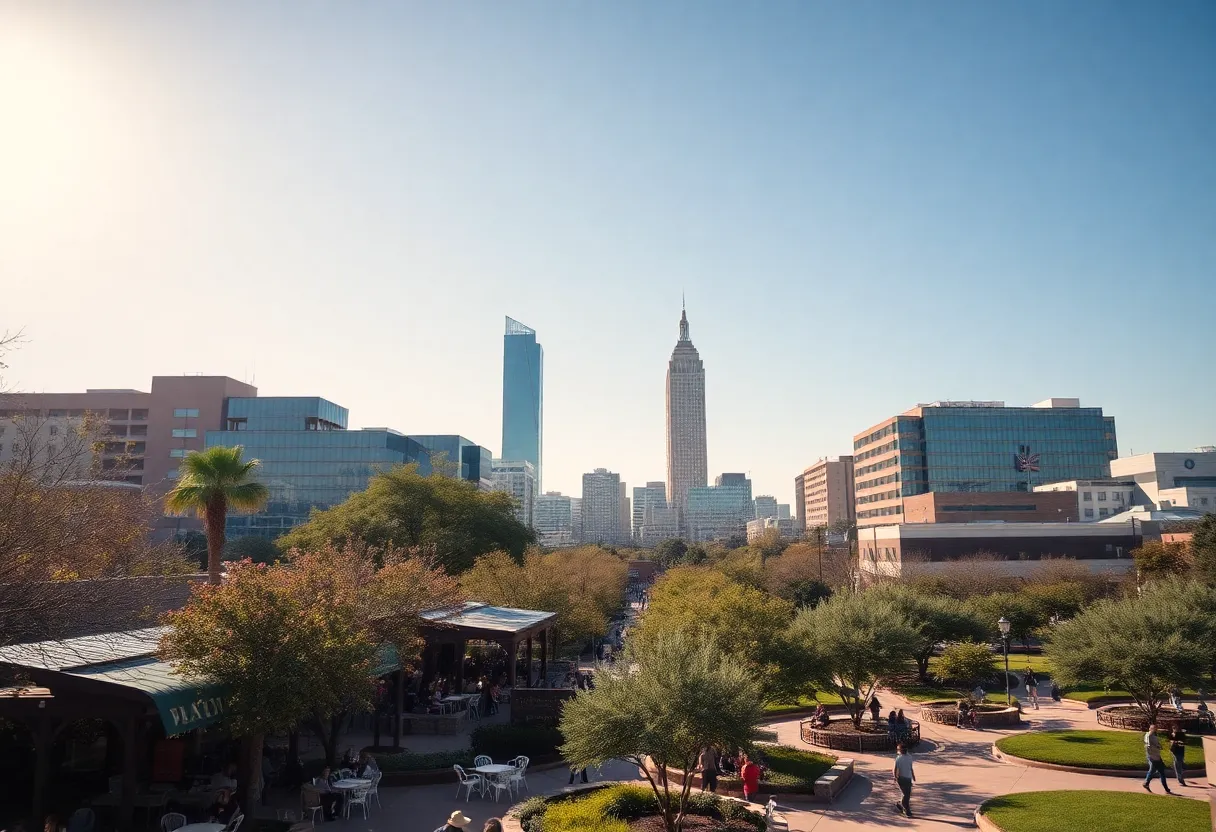
Austin, Texas, January 4, 2026
Austin, Texas, is seeing a remarkably warm beginning to the year, with temperatures exceeding records set in previous years. Local businesses are poised to benefit from the mild winter climate, as the warm spell is influenced by the La Niña pattern, which is expected to persist through the upcoming months. However, these conditions raise potential concerns about drought and fire risks for the community.
Austin, TX: Unseasonably Warm Weather Continues into Early January 2026
Austin, Texas – As the new year unfolds, Austin is experiencing an unseasonably warm start, with temperatures reaching into the low to mid-70s°F (21-24°C) on January 4, 2026. The forecast indicates a high of 85°F (29°C) on January 2, 2026, breaking the previous daily high temperature record of 83°F (28°C) set in 2023. This unexpected warm spell has implications for local businesses and the community at large, highlighting the entrepreneurial spirit of Austin in adapting to changing environmental conditions.
Local entrepreneurs are no strangers to the weather’s quirks. The current weather trend offers opportunities for those in retail and outdoor service industries to attract customers who enjoy milder winter climates. Additionally, reducing regulatory hurdles for businesses can further enhance the resilience of Austin’s economy, allowing small businesses to thrive even in varying weather conditions.
Current Weather Conditions
As of January 4, 2026, Austin is enjoying clear skies and warm temperatures hovering in the low 70s°F (21-24°C). The National Weather Service predicts this dry and warm pattern will continue. Businesses reliant on outdoor activities and events are likely to benefit from this favorable weather.
Factors Contributing to the Warm Weather
The ongoing La Niña weather pattern is a key factor behind these warmer and drier conditions. Typically, La Niña results in above-average temperatures and below-average precipitation across Texas during winter months. This climatic pattern is anticipated to persist through January and February 2026, transitioning to El Niño-neutral conditions between January and March 2026, according to weather experts.
Historical Context
Historically, January is recognized as Austin’s coolest month, with average high temperatures around 62.5°F (17°C) and lows occasionally dipping to below freezing. The current unseasonably warm and dry conditions raise concerns about potential drought, which could impact agricultural operations and lead to an increased fire risk in the area.
Looking Ahead
As we look toward the coming days, this warm and dry weather is expected to persist, with little to no precipitation in the immediate forecast. Residents and business owners alike are encouraged to stay updated on weather alerts and consider measures to conserve water and prepare for any possible fire hazards associated with dry conditions.
Key Features
| Feature | Details |
|---|---|
| Average High Temperature in January | 62.5°F (17°C) |
| Expected High on January 2, 2026 | 85°F (29°C) |
| La Niña Pattern Duration | Through January and February 2026, transitioning to El Niño-neutral between January and March 2026 |
| Potential Impacts | Drought concerns, increased fire risk, agricultural impacts |
FAQ
What is the current weather in Austin, Texas?
As of January 4, 2026, Austin is experiencing clear skies with temperatures in the low to mid-70s°F (21-24°C). The National Weather Service forecasts that this warm and dry pattern will persist, with high temperatures reaching the lower to mid-70s°F (21-24°C) under mostly sunny skies.
What factors are contributing to the warm weather in Austin?
The current La Niña weather pattern is contributing to these warmer and drier conditions. La Niña typically leads to above-average temperatures and below-average precipitation in Texas during the winter months. This pattern is expected to persist through January and February 2026, with a transition to El Niño-neutral conditions likely between January and March 2026.
What are the historical average temperatures for Austin in January?
Historically, January in Austin is the coolest month, with average high temperatures around 62.5°F (17°C) and lows dropping to or below freezing on 12 occasions per year. The unseasonably warm and dry conditions may lead to drought concerns, increased fire risk, and potential impacts on agriculture.
How long is the La Niña pattern expected to last?
The La Niña pattern is expected to persist through January and February 2026, with a transition to El Niño-neutral conditions likely between January and March 2026.
What should residents do during this warm and dry period?
Residents are advised to stay informed about the weather forecast and take necessary precautions to conserve water and prepare for potential fire risks.
Deeper Dive: News & Info About This Topic
HERE Resources
College Football Playoff Semifinals Set: A Look Ahead
Two Arrested in Attempted Best Buy Burglary in Round Rock, Texas
Indie Rock Night at Come and Take It Live
Lubbock Celebrates ‘Meade-E-Oak’r Christmas Vacation’ Concert Series
Austin Faces Severe Drought Conditions: What You Need to Know
Austin Residents Discover Large Sinkhole After Heavy Rain
Austin Experiences Unseasonably Warm Weather
Recent Alarming Incidents in Austin Raise Public Safety Concerns
Austin Police Investigate Possible Homicide
Kick Off the New Year with Unique Hiking Parks in San Antonio

Author: STAFF HERE AUSTIN WRITER
The AUSTIN STAFF WRITER represents the experienced team at HEREAustinTX.com, your go-to source for actionable local news and information in Austin, Travis County, and beyond. Specializing in "news you can use," we cover essential topics like product reviews for personal and business needs, local business directories, politics, real estate trends, neighborhood insights, and state news affecting the area—with deep expertise drawn from years of dedicated reporting and strong community input, including local press releases and business updates. We deliver top reporting on high-value events such as SXSW, Austin City Limits Music Festival, Formula 1 United States Grand Prix, and the Austin Film Festival. Our coverage extends to key organizations like the Greater Austin Chamber of Commerce and Visit Austin, plus leading businesses in technology, automotive, and retail that power the local economy such as Dell Technologies, Tesla, and Apple. As part of the broader HERE network, including HERECollegeStation.com, HEREDallas.com, HEREHouston.com, and HERESanAntonio.com, we provide comprehensive, credible insights into Texas's dynamic landscape.