

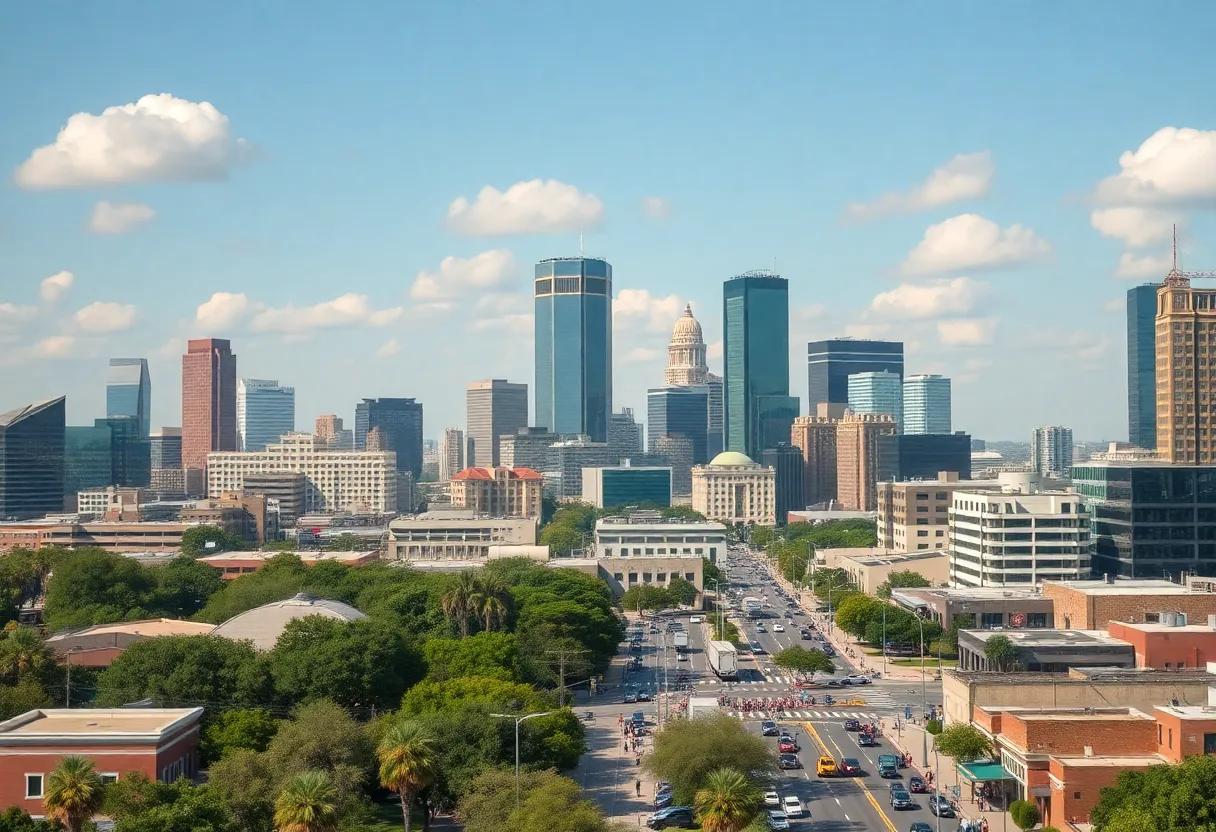
Austin, January 6, 2026
Austin has regained its status as the fourth-most populous city in Texas, surpassing Fort Worth with an estimated population of 1,054,007. Despite a higher growth rate of 11% for Fort Worth since 2020, Austin’s initial population advantage has allowed it to maintain its ranking. This ongoing demographic trend showcases the competitive urban growth within Texas, with both cities constantly vying for position.
Austin Reclaims Position as Texas’ Fourth-Largest City
Austin has regained its status as the fourth-most populous city in Texas, surpassing Fort Worth, according to the latest data from the Texas Demographic Center. As of January 2025, Austin’s population is estimated at 1,054,007, while Fort Worth’s stands at 1,020,987. This shift marks a reversal from earlier in 2025 when Fort Worth had briefly overtaken Austin to become the state’s fourth-largest city.
Population Growth Trends
Between 2020 and 2025, Austin experienced a population growth of approximately 9.5%, while Fort Worth’s growth during the same period was about 11%. Despite Fort Worth’s higher growth rate, Austin’s larger initial population has led to its current position.
Statewide Population Rankings
The top five most populous cities in Texas as of January 2025 are:
- Houston: 2,383,293 residents
- San Antonio: 1,554,626 residents
- Dallas: 1,338,750 residents
- Austin: 1,054,007 residents
- Fort Worth: 1,020,987 residents
These figures reflect the dynamic population shifts within the state, with Austin and Fort Worth frequently exchanging positions in recent years.
Factors Influencing Population Changes
The fluctuations in population rankings between Austin and Fort Worth can be attributed to various factors, including economic opportunities, housing affordability, and quality of life. Both cities have experienced significant growth, attracting new residents and contributing to the evolving demographic landscape of Texas.
Conclusion
The latest data underscores the competitive nature of urban growth in Texas, with Austin and Fort Worth continually vying for the position of the state’s fourth-largest city. These developments highlight the importance of monitoring demographic trends to understand the factors driving population changes and their implications for urban planning and resource allocation.
Frequently Asked Questions (FAQ)
What is the current population of Austin and Fort Worth?
Austin’s population is estimated at 1,054,007, while Fort Worth’s stands at 1,020,987 as of January 2025.
How much have Austin and Fort Worth grown since 2020?
Between 2020 and 2025, Austin experienced a population growth of approximately 9.5%, while Fort Worth’s growth during the same period was about 11%.
What are the top five most populous cities in Texas?
The top five most populous cities in Texas as of January 2025 are Houston, San Antonio, Dallas, Austin, and Fort Worth.
Why do Austin and Fort Worth’s population rankings change?
The fluctuations in population rankings between Austin and Fort Worth can be attributed to various factors, including economic opportunities, housing affordability, and quality of life.
What does this mean for urban planning in Texas?
These developments highlight the importance of monitoring demographic trends to understand the factors driving population changes and their implications for urban planning and resource allocation.
Key Features of the Article
| Feature | Description |
|---|---|
| Population Estimates | Austin’s population is estimated at 1,054,007; Fort Worth’s at 1,020,987 as of January 2025. |
| Growth Rates | Austin’s growth since 2020 is approximately 9.5%; Fort Worth’s is about 11%. |
| Statewide Rankings | The top five most populous cities in Texas as of January 2025 are Houston, San Antonio, Dallas, Austin, and Fort Worth. |
| Factors Influencing Rankings | Economic opportunities, housing affordability, and quality of life contribute to the changing population rankings between Austin and Fort Worth. |
| Implications for Urban Planning | Monitoring demographic trends is crucial for understanding factors driving population changes and their implications for urban planning and resource allocation. |
Deeper Dive: News & Info About This Topic
HERE Resources
Austin Homes Selling Fast, But Two Cities in Texas Are Quicker
H-E-B Opens New Store on Culebra Road in San Antonio
Xavier Worthy Supports Local Families with Holiday Initiative
Brian C. Folsom Expands Real Estate Expertise in Austin, TX
Texas Economy Achieves Remarkable Growth
Austin Reclaims Title as Texas’ Fourth-Largest City
Austin-San Antonio Corridor Leads in U.S. Job Growth
Modern Real Estate Projects Redefining Austin’s Urban Landscape
H-E-B Enhances Seguin Store with Renovation
BJ’s Wholesale Club Expands in San Antonio