

San Antonio, Texas, February 11, 2026
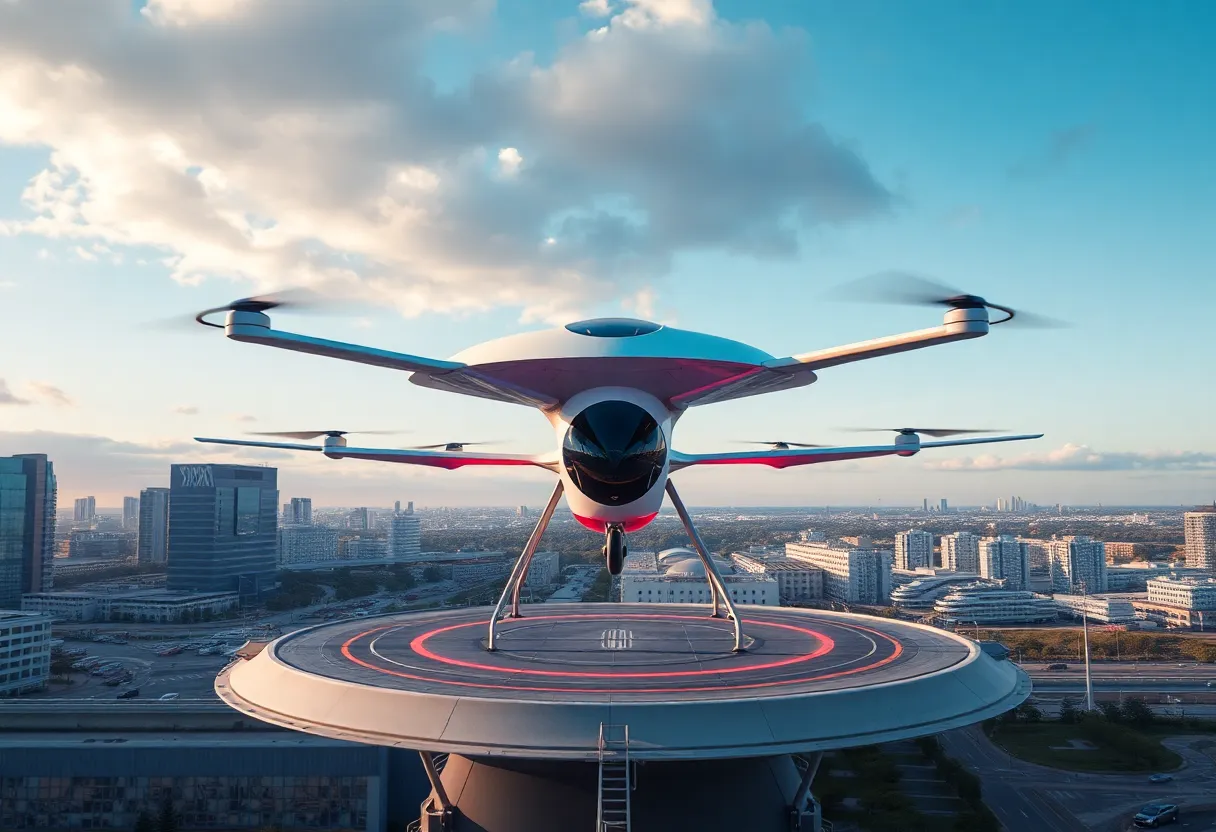
Port San Antonio has announced a partnership with SkyGrid to develop Texas’ first vertiport at the Tech Port campus, aimed at facilitating autonomous air taxi operations. This pioneering facility will serve as a testing ground for electric vertical takeoff and landing (eVTOL) aircraft, enhancing urban mobility and addressing operational challenges in airspace integration. The initiative aligns with the vision of transforming San Antonio into a hub for advanced air mobility and is expected to create economic opportunities in the region.
San Antonio, Texas
Port San Antonio and SkyGrid have announced a partnership to develop Texas’ first vertiport, aiming to facilitate the operation of autonomous air taxis in the region.
The collaboration involves constructing a vertiport at Port San Antonio’s Tech Port campus, a 1,900-acre innovation hub. This facility will serve as a testing ground for electric vertical takeoff and landing (eVTOL) aircraft, commonly referred to as air taxis. The project is expected to address technical, regulatory, and operational challenges associated with integrating autonomous aircraft into shared airspace.
SkyGrid, a subsidiary of Boeing’s Wisk Aero, specializes in digital airspace services and operational assurance for advanced air mobility. The partnership will leverage SkyGrid’s expertise to ensure safe and scalable operations of crewed and uncrewed aircraft systems. The collaboration also reflects Boeing’s longstanding presence in Texas, with operations supporting critical national security and commercial aviation missions at Port San Antonio.
The vertiport will be strategically located near Kelly Field, a joint-use airfield accommodating civil, commercial, and military aircraft. This setting provides a unique environment for testing and refining air taxi technologies. The development aligns with Port San Antonio’s vision to become a hub for advanced air mobility, integrating infrastructure, airspace management, and technological innovation to support the future of aviation.
Key Development Aspects
This partnership is a significant advancement toward realizing autonomous air taxi services in Texas, positioning the state as a leader in advanced air mobility initiatives. The integration of these air vehicles offers numerous benefits, including potential reductions in traffic congestion and enhanced urban mobility solutions. As Texas strives for economic growth and innovation, the private sector’s investment in cutting-edge technologies like eVTOL aircraft stands to bolster community resilience and create new job opportunities.
What is a Vertiport?
A vertiport is a designated area equipped with infrastructure such as landing pads and charging stations to accommodate electric vertical takeoff and landing (eVTOL) aircraft known as air taxis. This specialized infrastructure is crucial for supporting emerging air mobility solutions.
Partnership Dynamics
The collaboration between Port San Antonio and SkyGrid underscores the importance of both public and private investments in developing advanced air transportation systems. As innovators in the field, SkyGrid’s technological capabilities combined with Port San Antonio’s strategic location amplify the potential of autonomous air mobility to transform urban transportation. This partnership embraces a model that promotes economic growth through technological adaptation and collaboration.
Location Benefits
Situated near Kelly Field, the vertiport’s location is poised to maximize operational efficiency while providing a robust environment for testing. This advantageous setup will help optimize the airspace management required for safe vehicle integration and maximize the potential of eVTOL technologies.
Economic Growth Implications
The development is expected to yield significant economic impacts for the San Antonio area. By attracting investment and fostering innovation, the vertiport could effectively create high-tech jobs while positioning the region as a crucial player in the aerospace sector. By addressing the need for advanced transportation solutions, the project reflects community involvement in shaping the future of urban mobility.
Future Steps
The next steps for this partnership include finalizing the design and construction of the vertiport, developing operational protocols, and conducting necessary testing. The initiative’s overall trajectory emphasizes the importance of innovation and adaptability within the aviation industry, ensuring that Texas remains at the forefront of advanced air mobility.
Conclusion
The partnership between Port San Antonio and SkyGrid signifies a promising leap toward a transformative air mobility future in Texas. With implications for local economies, urban transportation, and technological advancement, stakeholders are encouraged to support this initiative and partake in dialogues surrounding the future of advanced air mobility. Engaging with local businesses and staying informed about developments can help foster growth in this burgeoning sector.
Frequently Asked Questions (FAQ)
What is a vertiport?
A vertiport is a designated area equipped with infrastructure such as landing pads and charging stations to accommodate electric vertical takeoff and landing (eVTOL) aircraft, commonly known as air taxis.
Who are the partners involved in this project?
The project is a collaboration between Port San Antonio and SkyGrid, a subsidiary of Boeing’s Wisk Aero.
Where will the vertiport be located?
The vertiport will be constructed at Port San Antonio’s Tech Port campus, a 1,900-acre innovation hub.
What is the purpose of this partnership?
The partnership aims to develop the infrastructure and operational frameworks necessary to integrate autonomous air taxis into shared airspace, addressing technical, regulatory, and operational challenges.
How does this project align with Boeing’s presence in Texas?
Boeing has a longstanding presence in Texas, with operations supporting critical national security and commercial aviation missions at Port San Antonio. This partnership reflects Boeing’s commitment to advancing air mobility in the region.
What is the significance of the vertiport’s location near Kelly Field?
The vertiport’s proximity to Kelly Field, a joint-use airfield accommodating civil, commercial, and military aircraft, provides a unique environment for testing and refining air taxi technologies.
How does this development contribute to advanced air mobility in Texas?
The development positions Texas as a leader in advanced air mobility initiatives, integrating infrastructure, airspace management, and technological innovation to support the future of aviation.
When is the vertiport expected to be operational?
The specific timeline for the vertiport’s completion and operational status has not been publicly disclosed. However, the project is currently underway, with ongoing efforts to develop the necessary infrastructure and operational frameworks.
What types of aircraft will use the vertiport?
The vertiport is designed to accommodate electric vertical takeoff and landing (eVTOL) aircraft, commonly known as air taxis, which are autonomous or piloted aircraft intended for urban air mobility.
How does this project impact the local community?
The project is expected to bring technological innovation and economic development to the San Antonio area, potentially creating new job opportunities and positioning the region as a hub for advanced air mobility.
What are the next steps for this partnership?
The next steps involve finalizing the design and construction of the vertiport, developing operational protocols, and conducting testing to ensure the safe integration of autonomous air taxis into the shared airspace.
How does this initiative compare to similar projects in other regions?
Similar initiatives are underway in other regions, such as Dubai’s plan to launch a dedicated vertiport at Dubai International Airport by 2026. However, this project is notable for its collaboration between a major aerospace company and a regional development authority, reflecting a significant commitment to advancing air mobility in Texas.
What are the potential benefits of autonomous air taxis?
Autonomous air taxis have the potential to reduce traffic congestion, provide faster transportation options, and offer new solutions for urban mobility challenges. They could also contribute to economic development and technological innovation in the regions where they are implemented.
What challenges does this project aim to address?
The project aims to address technical, regulatory, and operational challenges associated with integrating autonomous aircraft into shared airspace, ensuring safe and scalable operations of crewed and uncrewed aircraft systems.
How does this partnership reflect the future of aviation?
This partnership reflects a forward-thinking approach to aviation, embracing technological innovation and collaboration to develop sustainable and efficient transportation solutions for the future.
What role does Port San Antonio play in this development?
Port San Antonio serves as the development partner, providing the location and infrastructure for the vertiport and collaborating with SkyGrid to develop the necessary operational frameworks for autonomous air taxi integration.
How does this project align with broader trends in advanced air mobility?
The project aligns with broader trends in advanced air mobility by focusing on the development of infrastructure and operational frameworks to support the integration of autonomous aircraft into shared airspace, addressing key challenges to scalability and safety.
What is the significance of Boeing’s involvement in this project?
Boeing’s involvement, through its subsidiary SkyGrid, brings significant aerospace expertise and resources to the project, enhancing the technical capabilities and credibility of the initiative.
How does this project contribute to the economy of San Antonio?
The project is expected to contribute to the local economy by attracting investment, creating job opportunities, and positioning San Antonio as a leader in advanced air mobility and technological innovation.
What are the environmental implications of this project?
The development of autonomous air taxis could have positive environmental implications by reducing ground traffic congestion and potentially lowering emissions associated with traditional transportation methods, depending on the energy sources used for the aircraft.
How does this project impact the aviation industry?
This project represents a significant advancement in the aviation industry, demonstrating the feasibility and potential of integrating autonomous air taxis into urban transportation networks and setting a precedent for similar initiatives worldwide.
What are the safety considerations for autonomous air taxis?
Safety considerations include ensuring reliable communication and navigation systems, developing robust regulatory frameworks, conducting thorough testing and certification processes, and addressing cybersecurity risks to protect against potential threats to the aircraft and infrastructure.
How does this project address public concerns about autonomous vehicles?
The project addresses public concerns by focusing on rigorous testing, regulatory compliance, and transparent communication to build trust in the safety and reliability of autonomous air taxis.
What is the timeline for the broader implementation of autonomous air taxis in Texas?
The timeline for broader implementation depends on the successful development and testing of infrastructure like the vertiport, regulatory approvals, and public acceptance. While specific dates are not provided, the project at Port San Antonio represents a significant step toward realizing autonomous air taxi services in Texas.
How does this project compare to similar initiatives in other states?
Similar initiatives are underway in other states, such as California’s efforts to develop autonomous air taxi infrastructure. However, the partnership between Port San Antonio and SkyGrid positions Texas as a leader in advanced air mobility, with a unique collaboration between a regional development authority and a major aerospace company.
What are the potential challenges in developing autonomous air taxi infrastructure?
Challenges include addressing technical issues related to aircraft performance and integration, navigating complex regulatory environments, ensuring public safety and acceptance, and developing the necessary infrastructure to support operations.
How does this project contribute to the future of urban mobility?
The project contributes to the future of urban mobility by exploring innovative transportation solutions that could alleviate traffic congestion, reduce travel times, and provide sustainable alternatives to traditional ground transportation methods.
What are the next steps for the development of the vertiport?
Next steps include finalizing the design and construction of the vertiport, developing operational protocols, conducting testing to ensure safety and efficiency, and collaborating with regulatory bodies to obtain necessary approvals for operations.
How does this project impact the local community in San Antonio?
The project is expected to bring technological innovation, economic development, and job opportunities to the San Antonio area, positioning the region as a hub for advanced air mobility and enhancing its reputation in the aerospace industry.
What are the long-term goals of this partnership?
The long-term goals include establishing a scalable and safe operational framework for autonomous air taxis, integrating them into urban transportation networks, and contributing to the advancement of air mobility technologies in Texas and beyond.
How does this project align with global trends in aviation?
The project aligns with global trends by embracing technological innovation and collaboration to develop sustainable and efficient transportation solutions, reflecting a worldwide interest in advanced air mobility and autonomous flight technologies.
What are the potential economic impacts of this project on the region?
The potential economic impacts include attracting investment, creating high-tech jobs, fostering innovation, and positioning the region as a leader in the emerging field of advanced air mobility.
How does this project address environmental concerns associated with transportation?
The project addresses environmental concerns by developing electric-powered aircraft that produce fewer emissions compared to traditional combustion-engine vehicles, contributing to cleaner air and reduced carbon footprints in urban areas.
What are the technological innovations involved in this project?
Technological innovations include the development of autonomous flight systems, advanced airspace management solutions, and the integration of electric vertical takeoff and landing aircraft into existing transportation infrastructure.
How does this project contribute to the advancement of autonomous vehicle technology?
The project contributes by providing a real-world testing environment for autonomous air taxis, advancing the development and integration of autonomous vehicle technologies.
Deeper Dive: News & Info About This Topic
HERE Resources
Austin’s 2025 Highlights: Key Events and Achievements
Tesla Expands Driverless Robotaxi Testing in Austin
Tesla Launches Model X with New Features
Austin Expands Electric Vehicle Charging Infrastructure
Tesla Faces Legal Challenges Amid Gigafactory Valuation Dispute
Tesla Launches Robotaxi Service Pilot Program in Austin
Tesla Launches Limited Self-Driving Service in Austin
Protests in L.A. Lead to Vandalism of Waymo Autonomous Taxis
Tesla Announces Robotaxi Service Launch in Austin
Waymo Autonomous Vehicles Cause Traffic Disruptions in Austin