

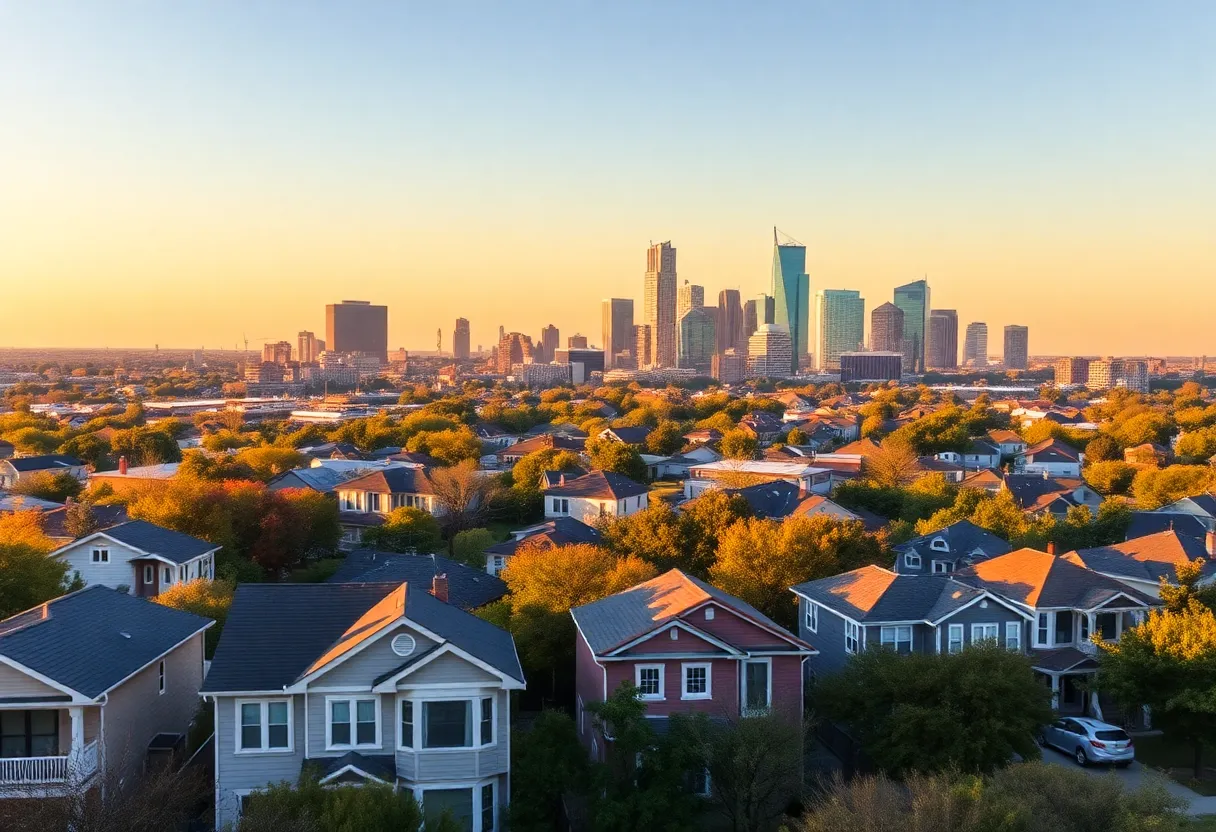
Austin, Texas, February 9, 2026
Austin’s housing market has undergone a significant deceleration, with homes now taking an average of 106 days to sell, the longest duration since 2012. Factors such as rising mortgage rates and an oversupply of properties have shifted the market toward buyers, resulting in a 4.9% decrease in the median list price to $510,950. As we move into 2026, the market is expected to stabilize, offering more negotiating power to buyers while forcing sellers to adjust expectations.
Austin’s Housing Market Experiences Significant Slowdown
Austin, Texas – Austin’s housing market has seen a notable deceleration, with homes now taking an average of 106 days to sell, marking the slowest December since 2012. This shift is attributed to a combination of factors, including unsustainable price growth in recent years and a surge in homebuilding, leading to an oversupply of properties.
Market Dynamics and Buyer Opportunities
The increased inventory has provided buyers with more options and negotiating power. In December 2025, the median list price in Austin was $510,950, a 4.9% decrease from the previous year. Additionally, 80.2% of homes sold in February 2025 were below their original listing price, indicating a shift towards a buyer’s market.
Factors Influencing the Market Shift
Several elements have contributed to the cooling market:
- Rising Mortgage Rates: As of April 2025, 30-year fixed mortgage rates hovered around 6.83%, making borrowing more expensive and dampening buyer demand.
- Increased Inventory: Active listings rose nearly 15% in 2024, offering buyers more choices and reducing competition.
- Economic Uncertainties: Broader economic factors, such as potential tariffs, have also played a role in dampening buyer confidence.
Implications for Homeowners and Sellers
Homeowners looking to sell may need to adjust expectations, as properties are spending more time on the market. In December 2025, the typical home in Austin took 106 days to sell, up from 91 days the previous year. This trend suggests that sellers may need to be more flexible with pricing and prepared for longer selling periods.
Outlook for 2026
As we move into 2026, the Austin housing market is expected to stabilize further. The recalibration of the market is anticipated to make real estate trends more predictable, with homes selling at more realistic prices and inventory levels balancing out.
Comparative Market Performance
Austin’s market slowdown contrasts with other major metropolitan areas. For instance, in December 2024, San Antonio homes spent a median of 75 days on the market, compared to Austin’s 106 days. This indicates that while Austin’s market is cooling, it remains relatively slower than some neighboring cities.
Conclusion
Austin’s housing market is undergoing a significant transformation, shifting from a seller’s to a buyer’s market. Prospective buyers now have more options and negotiating power, while sellers may need to adjust their strategies to align with the evolving market dynamics.
Frequently Asked Questions (FAQ)
What is the current average time for homes to sell in Austin?
As of December 2025, the typical home in Austin took 106 days to sell, marking the slowest December since 2012.
How have mortgage rates affected the Austin housing market?
Rising mortgage rates, which reached around 6.83% in April 2025, have made borrowing more expensive, leading to a decrease in buyer demand.
What percentage of homes sold in Austin are below the original listing price?
In February 2025, 80.2% of homes sold in Austin were below their original listing price, indicating a shift towards a buyer’s market.
How does Austin’s housing market compare to other major cities?
In December 2024, San Antonio homes spent a median of 75 days on the market, compared to Austin’s 106 days, indicating that Austin’s market is relatively slower than some neighboring cities.
What factors have contributed to the slowdown in Austin’s housing market?
Factors include unsustainable price growth, a surge in homebuilding leading to an oversupply of properties, and rising mortgage rates.
Key Features of Austin’s Housing Market Slowdown
| Feature | Details |
|---|---|
| Average Time to Sell | 106 days in December 2025, the slowest December since 2012. |
| Median List Price | $510,950 in December 2025, a 4.9% decrease from the previous year. |
| Percentage of Homes Sold Below Listing Price | 80.2% in February 2025, indicating a shift towards a buyer’s market. |
| Rising Mortgage Rates | Reached around 6.83% in April 2025, making borrowing more expensive. |
| Increased Inventory | Active listings rose nearly 15% in 2024, offering buyers more choices. |
Deeper Dive: News & Info About This Topic
HERE Resources
Austin’s Luxury Housing Market Shows Strong Momentum
Austin’s Office Market Faces Rising Vacancy Amid Construction Slowdown
Austin Businesses Face Closure Amid Rapid Growth
Austin, Texas: Multiple World-Class Properties in Downtown Austin Could Soon Be Sold
Austin Housing Market Slows Down from Hottest to Slowest
Mortgage Rates in Austin Rise to 6.11%
Keller Williams Expands Real Estate Reach to Egypt
Texas Instruments to Acquire Silicon Laboratories for $7.5 Billion
Austin Business Loses $80K to Bank Fraud
REI Accelerator Promotes Creator-Led Capital in Real Estate