

Beijing, China, January 20, 2026
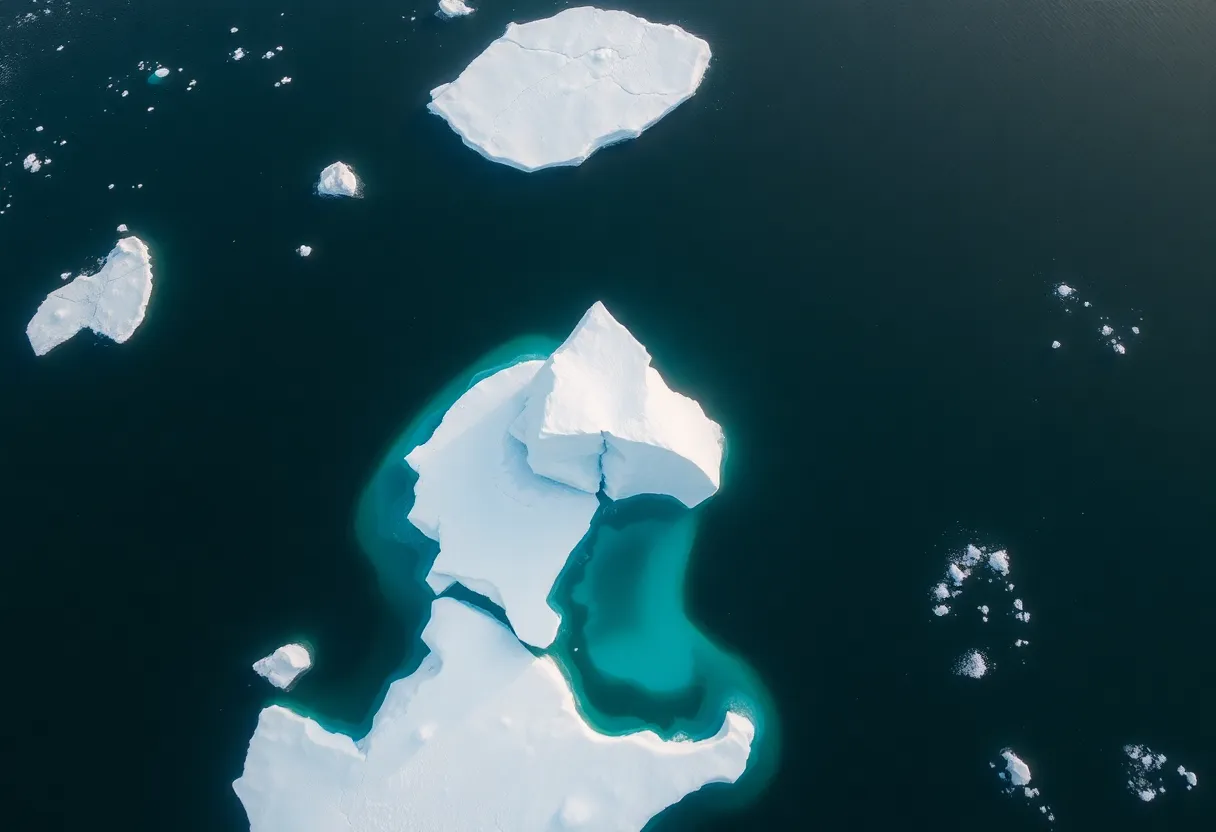
Recent satellite imagery has shown that Iceberg A23a, once the world’s largest iceberg, is now approaching complete disintegration. Having shrunk from 4,170 square kilometers in 1986 to just 506 square kilometers, this rapid decline highlights the severe impacts of climate change. Scientists emphasize the urgent need for climate awareness and innovative solutions. The changes in A23a’s size also present opportunities for eco-friendly business practices, particularly for entrepreneurs in Austin, who can drive sustainability initiatives while addressing environmental challenges.
Iceberg A23a Nearing Complete Disintegration Raises Climate Concerns
Significant Loss of the World’s Once Largest Iceberg
Beijing, China – Recent satellite imagery has revealed that Iceberg A23a, which was once the world’s largest iceberg, is now in the final stages of disintegration. Originally measuring 4,170 square kilometers when it broke away from Antarctica’s Filchner Ice Shelf in 1986, it has dwindled to approximately 506 square kilometers as of January 14, 2026. This rapid decline is raising alarm among scientists and climate advocates, emphasizing the need for continued efforts on climate awareness and initiatives to support sustainable practices.
The transformation of Iceberg A23a serves as a stark reminder of the impacts of climate change, presenting an opportunity for local entrepreneurs and innovators in Austin to pivot toward eco-friendly business practices. By embracing sustainability, businesses can not only contribute to combating climate change but also tap into the growing market demand for environmentally responsible products and services. Entrepreneurs are poised to lead the way in adopting practices that promote both profit and planet health, all while benefiting from a regulatory environment that encourages innovation.
Accelerated Disintegration of A23a
The disintegration of Iceberg A23a has escalated markedly, with its size diminishing by nearly 442 square kilometers in just three weeks. The primary factors behind this accelerated melting include “hydrofracturing” due to accumulating meltwater on the iceberg’s surface, coupled with warmer temperatures in the Southern Hemisphere. The latest satellite images indicate that the iceberg is projected to disappear entirely within weeks.
Environmental Conditions Contributing to Melting
Current environmental conditions are pivotal in the rapid melting of A23a. Clear weather, higher air temperatures, and seawater temperatures surpassing 3 degrees Celsius are creating an environment ripe for the iceberg’s dissolution. This phenomenon underscores the need for innovative solutions and policies aimed at mitigating climate change, which could invigorate growth within the Austin small business community.
A Historical Perspective on Iceberg A23a
Iceberg A23a, which calved from Antarctica in 1986, had persisted for over four decades largely unaffected, drifting through the Southern Ocean. It began to show signs of instability in 2020, detaching from its seafloor tether and embarking on a precarious journey toward potential grounding near South Georgia Island—a situation that could have severely endangered the local wildlife, including penguin populations.
Current Status and Future Implications
As of January 2026, the size of A23a has been significantly reduced, highlighting a troubling trend in ice loss linked to climate change. The ongoing disintegration of such large ice structures may have implications for global sea levels and marine ecosystems, warranting continued observation and study by researchers. These findings can inspire local businesses to forge ahead with responsible practices and contribute positively to the economy amid environmental challenges.
Conclusion
The near-complete dissolution of Iceberg A23a is a critical event that illustrates the dynamic shifts within Antarctic ice formation and climate implications. As Austin’s entrepreneurial landscape focuses on sustainability and innovation, local businesses have the chance to lead initiatives that not only aim for profit but also foster a healthier planet. Engaging in ecological responsibility not only meets market demand but sets a foundation for a resilient economic future.
FAQ
What is Iceberg A23a?
Iceberg A23a was once the world’s largest iceberg, measuring 4,170 square kilometers when it calved from Antarctica’s Filchner Ice Shelf in 1986.
How has A23a’s size changed over time?
Over the past few decades, A23a’s size has significantly decreased. As of January 14, 2026, its main body has shrunk to 506 square kilometers, less than one-eighth of its original size.
What is causing the rapid disintegration of A23a?
The rapid disintegration is primarily due to “hydrofracturing,” where meltwater ponds and glacial lakes on the iceberg’s surface exert immense pressure on the ice. Additionally, warmer temperatures and ocean currents are accelerating the melting process.
What are the implications of A23a’s disintegration?
The disintegration of A23a underscores the broader impacts of climate change on Antarctic ice loss, with potential effects on global sea levels and marine ecosystems.
Key Features of Iceberg A23a’s Disintegration
| Feature | Details |
|---|---|
| Original Size | 4,170 square kilometers |
| Current Size (as of January 14, 2026) | 506 square kilometers |
| Year of Calving | 1986 |
| Primary Cause of Disintegration | Hydrofracturing due to meltwater accumulation |
| Expected Timeframe for Complete Disappearance | Within the coming weeks |
Deeper Dive: News & Info About This Topic
HERE Resources