

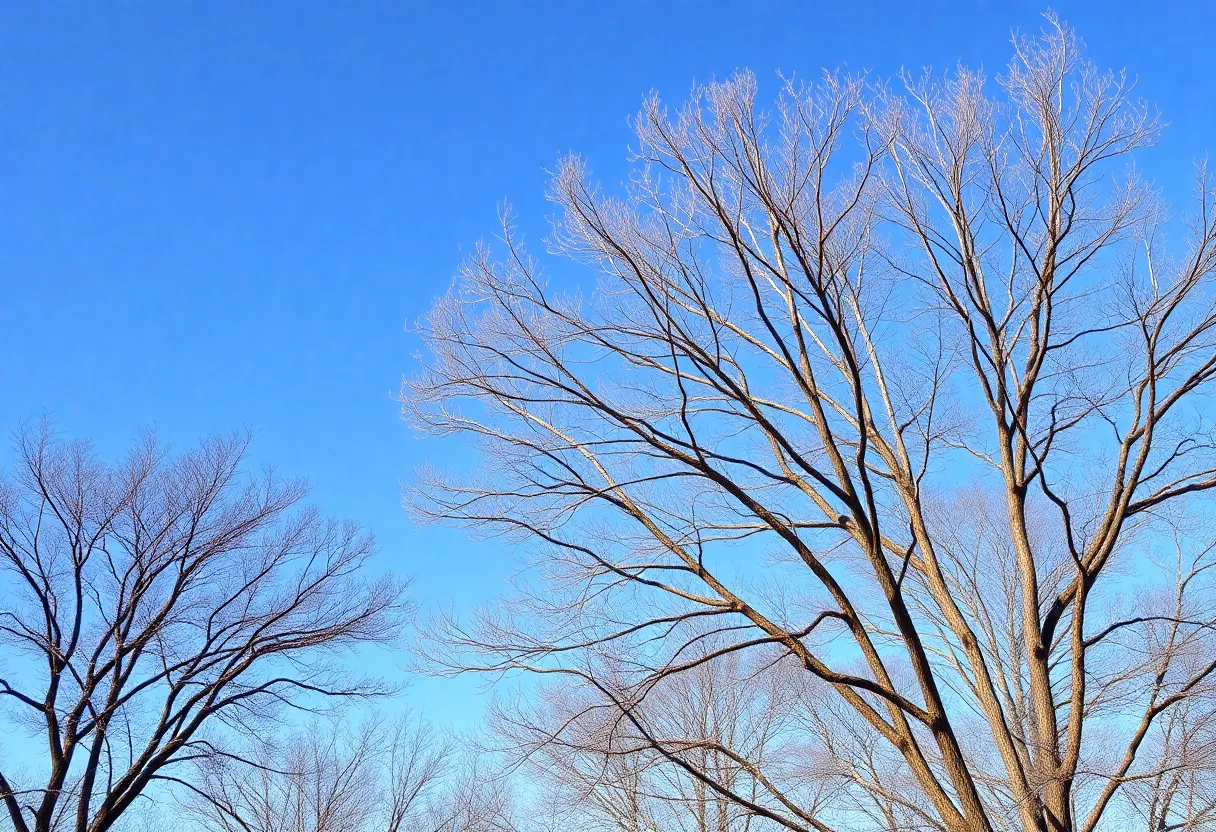
Austin, Texas, January 15, 2026
Residents in Austin, Texas are experiencing heightened allergy symptoms due to a recent cold front that has brought drier air and increased cedar pollen counts. The cold front has intensified pollen levels, leading to discomfort for many allergy sufferers. Health experts recommend that residents stay informed about pollen forecasts and take necessary precautions to manage their symptoms effectively.
Austin, Texas: Cold Front Brings Drier Air and Very High Cedar Pollen Counts
A cold front has moved through Austin, Texas, bringing drier air and significantly increasing cedar pollen counts, leading to heightened allergy symptoms for residents.
Impact on Allergy Sufferers
The arrival of the cold front has resulted in a surge of cedar pollen in the air, causing discomfort for many individuals sensitive to these allergens. Symptoms such as itchy, watery eyes, sinus congestion, and headaches are prevalent among those affected. Health experts advise residents to monitor pollen levels and take necessary precautions to manage their symptoms effectively.
Details of the Cold Front and Weather Conditions
The cold front introduced drier air into the region, which, combined with existing conditions, has led to a significant rise in cedar pollen counts. This meteorological change has intensified the challenges faced by allergy sufferers in the area. Residents are encouraged to stay informed about local weather patterns and pollen forecasts to better prepare for these fluctuations.
Background on Cedar Pollen and Allergy Season
Cedar pollen, primarily from mountain cedar trees, is a common allergen in Central Texas, especially during the winter months. The pollen season typically spans from December through February, with peak levels often occurring in mid-January. During this period, pollen counts can reach very high levels, exacerbating symptoms for those with sensitivities. Managing exposure during this time is crucial for maintaining health and comfort.
Recommendations for Residents
Health professionals recommend that residents monitor local pollen forecasts and take appropriate measures to minimize exposure. Strategies include staying indoors during peak pollen times, keeping windows closed, and using air purifiers to reduce indoor pollen levels. For those experiencing severe symptoms, consulting with a healthcare provider is advisable to explore treatment options and manage the impact of cedar pollen effectively.
Conclusion
The recent cold front in Austin has led to drier air and a significant increase in cedar pollen counts, posing challenges for allergy sufferers. Staying informed about weather changes and pollen levels, along with implementing recommended precautions, can help mitigate the effects of this seasonal allergen.
Frequently Asked Questions (FAQ)
What is causing the recent increase in cedar pollen in Austin?
The recent cold front has introduced drier air into the region, leading to a significant rise in cedar pollen counts. This meteorological change has intensified the challenges faced by allergy sufferers in the area.
What are common symptoms of cedar pollen allergies?
Common symptoms include itchy, watery eyes, sinus congestion, and headaches. Individuals sensitive to cedar pollen may experience these symptoms more intensely during peak pollen seasons.
When is the peak cedar pollen season in Austin?
The cedar pollen season in Austin typically spans from December through February, with peak levels often occurring in mid-January.
How can residents manage cedar pollen exposure?
Residents can manage exposure by staying indoors during peak pollen times, keeping windows closed, and using air purifiers to reduce indoor pollen levels. Consulting with a healthcare provider is advisable for those experiencing severe symptoms.
Why is cedar pollen particularly problematic in Central Texas?
Cedar pollen is a common allergen in Central Texas, especially during the winter months. The pollen season typically spans from December through February, with peak levels often occurring in mid-January. During this period, pollen counts can reach very high levels, exacerbating symptoms for those with sensitivities.
Key Features of Cedar Pollen Season in Austin
| Feature | Details |
|---|---|
| Season Duration | December through February |
| Peak Pollen Levels | Mid-January |
| Common Symptoms | Itchy, watery eyes; sinus congestion; headaches |
| Management Strategies | Stay indoors during peak pollen times; keep windows closed; use air purifiers; consult healthcare providers for severe symptoms |
Deeper Dive: News & Info About This Topic
HERE Resources