

Austin, TX, January 15, 2026
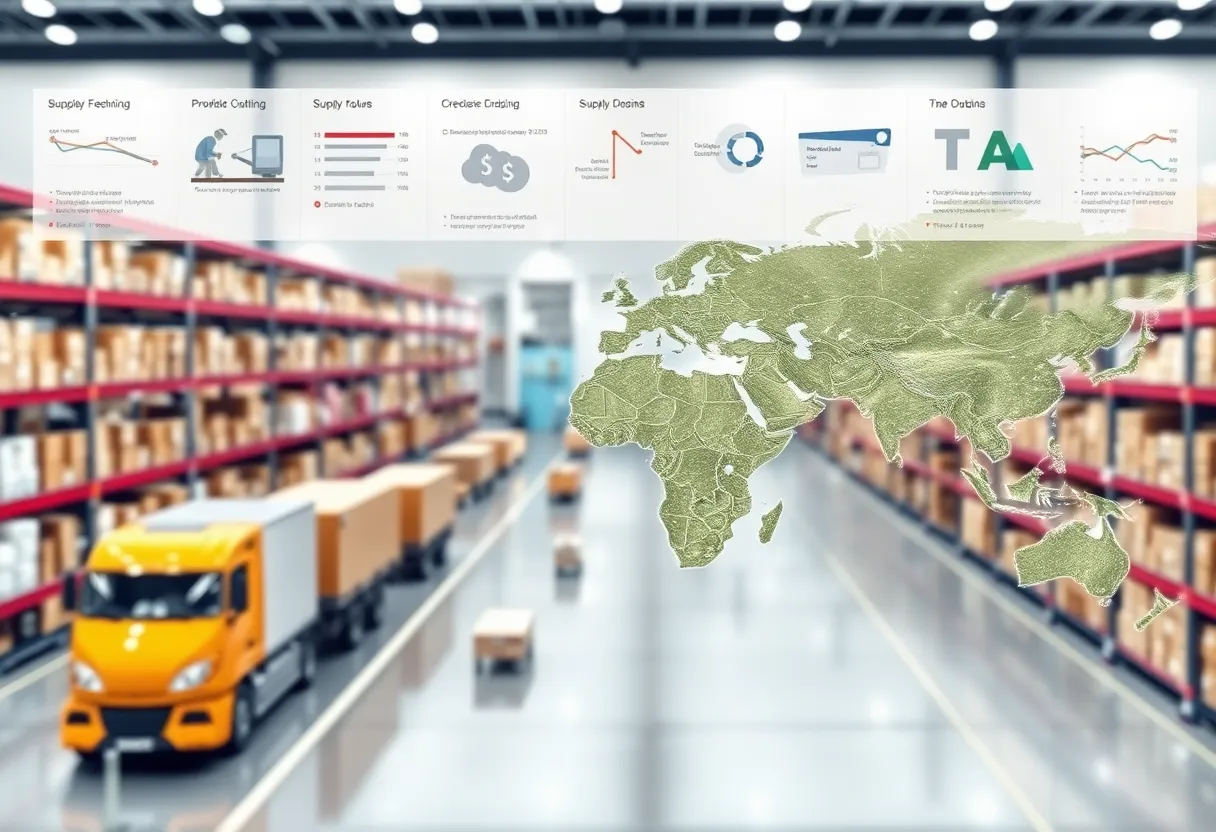
A recent study highlights the potential of integrating geospatial analytics with business intelligence to optimize pharmaceutical supply chains, especially in emerging markets. By utilizing location-based data for demand forecasting, route planning, and order prioritization, companies can drastically improve operational efficiency. This advancement addresses historical challenges like inefficient delivery routes, leading to reduced costs and better public health outcomes. As technology has become more accessible, the study calls for further exploration and real-world applications to enhance medicine distribution and support the health of communities.
Austin, TX – A recent study showcases the transformative potential of integrating geospatial analytics with business intelligence in enhancing pharmaceutical supply chains, particularly within emerging markets. This innovative approach is becoming increasingly essential as it addresses long-standing inefficiencies in the traditional supply chain management practices.
Key Findings
Integration of Geospatial Analytics and Business Intelligence
By combining location-based data with business intelligence tools, organizations can significantly improve demand forecasting, route planning, order prioritization, and territory management. This integration allows for a more nuanced understanding of supply chain dynamics and responsiveness.
Improved Operational Efficiency
The integrated approach directly tackles challenges that have historically plagued pharmaceutical supply chains, such as inefficient delivery routes, limited demand visibility, and frequent stockouts. Enhanced operational strategies lead to more reliable medicine distribution, which is critical for maintaining public health.
Technological Feasibility
The necessary technologies, including GIS software and analytics dashboards, have been readily available since 2016. This accessibility has paved the way for organizations aiming to implement modern solutions in their supply chains, allowing for a quicker shift towards improved efficiency.
Implications
Enhanced Public Health Outcomes
With improved supply chain management, medicines can reach remote and underserved areas more reliably. This is particularly crucial as it reduces treatment interruptions and adverse health outcomes, ultimately benefiting community health.
Cost Reduction
Geospatially informed decision-making can significantly lower unnecessary transportation costs while improving the reliability of delivery. Such efficiencies contribute to a healthier bottom line for businesses while ensuring that patients receive their necessary medications in a timely manner.
Background
Traditional Supply Chain Management
Historically, pharmaceutical supply chains have leaned heavily on static historical sales reports and basic performance dashboards. This trend has often overlooked critical geographic factors, such as road conditions and regional accessibility, resulting in less effective logistics and supply management.
Technological Advancements
The integration of geospatial analytics with business intelligence signifies a much-needed shift towards data-driven approaches in healthcare logistics. By modernizing supply chains, the intention is to not only improve efficiency but also enhance the overall effectiveness of medicine distribution.
Future Outlook
The study encourages future research and practical applications, including pilot projects designed to test the proposed framework in real-world distribution environments. As healthcare systems worldwide face mounting pressure to enhance efficiency while expanding access, these innovative solutions could be key to meeting these challenges head-on.
Study Details
– Title: Integrating Geospatial Analytics and Business Intelligence for Workflow Optimization in Pharmaceutical Supply Chains
– Author: Nonso Fredrick Chiobi
– Journal: Scholars Journal of Economics, Business and Management
– Year: 2016
Conclusion
The integration of geospatial analytics and business intelligence offers promising insights into enhancing pharmaceutical supply chains. As Austin and broader markets embrace innovation, local entrepreneurs should recognize the potential of these technological advancements. By supporting the adoption of such solutions, engaged citizens can contribute to the economic growth and resilience of the Travis County economy. Staying informed about these advancements could strengthen community health and bolster local businesses alike.
FAQ
What is the main finding of the study?
The study highlights the transformative potential of integrating geospatial analytics with business intelligence to enhance pharmaceutical supply chains, particularly in emerging markets.
How can this integration improve pharmaceutical supply chains?
Combining location-based data with business intelligence tools can improve demand forecasting, route planning, order prioritization, and territory management, leading to more reliable medicine distribution.
What challenges in pharmaceutical supply chains does this approach address?
This integrated approach addresses challenges like inefficient delivery routes, limited demand visibility, and frequent stockouts, leading to more reliable medicine distribution.
What are the technological requirements for implementing this approach?
The necessary technologies, such as GIS software and analytics dashboards, have been available since 2016, making implementation feasible.
What are the potential benefits of this integration?
Improved supply chain management ensures medicines reach remote and underserved areas more reliably, reducing treatment interruptions and preventable health outcomes, and can reduce unnecessary transportation costs and improve delivery reliability.
| Key Feature | Description |
|---|---|
| Integration of Geospatial Analytics and Business Intelligence | Combining location-based data with business intelligence tools to enhance pharmaceutical supply chains, particularly in emerging markets. |
| Improved Operational Efficiency | Addressing challenges like inefficient delivery routes, limited demand visibility, and frequent stockouts, leading to more reliable medicine distribution. |
| Technological Feasibility | The necessary technologies, such as GIS software and analytics dashboards, have been available since 2016, making implementation feasible. |
| Enhanced Public Health Outcomes | Improved supply chain management ensures medicines reach remote and underserved areas more reliably, reducing treatment interruptions and preventable health outcomes. |
| Cost Reduction | Geospatially informed decision-making can reduce unnecessary transportation costs and improve delivery reliability. |
Deeper Dive: News & Info About This Topic
HERE Resources
Uncertainty Looms Over Local Businesses as Tariffs Face Legal Challenges
New Investments Fueling Manufacturing Boom in the U.S.