
Austin, Texas, September 30, 2025
News Summary
Austin’s infamous Yogurt Shop murders from 1991 have seen a breakthrough as DNA evidence identifies Robert Eugene Brashers as the prime suspect. Four teenage girls were brutally murdered at the shop, and after decades of being unsolved, advancements in DNA testing have linked Brashers to the crime scene. This case has profoundly affected the Austin community and highlights the importance of continued forensic advancements in solving cold cases.
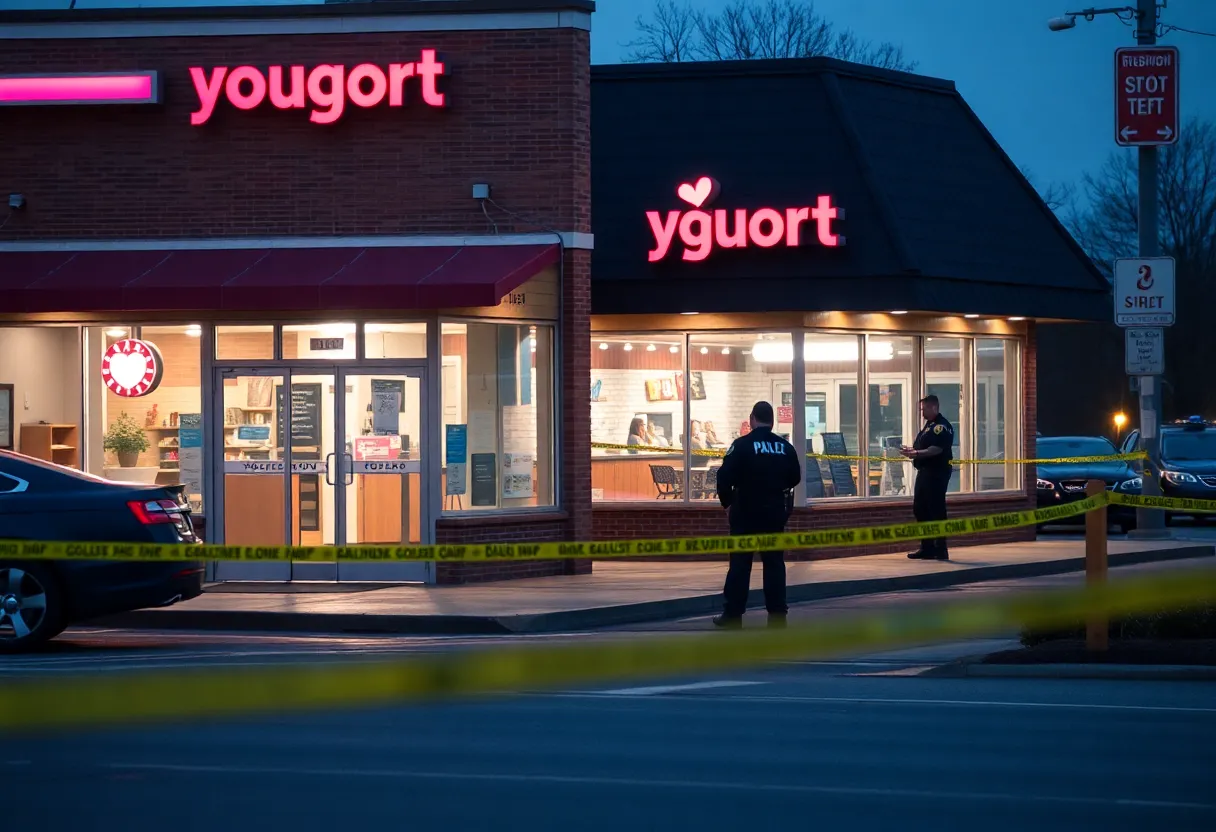
Austin, Texas — DNA evidence has identified Robert Eugene Brashers as the prime suspect in the 1991 Austin Yogurt Shop murders of four teenage girls. This tragic case, which has haunted the community for over three decades, involved the brutal killings of Amy Ayers, Eliza Thomas, Jennifer Harbison, and Sarah Harbison at an “I Can’t Believe It’s Yogurt!” shop on December 6, 1991.
The victims, aged between 13 and 17, were bound, gagged, shot in the head, and the shop was subsequently set on fire in an attempt to destroy crucial evidence. For years, this heinous crime remained unsolved until advancements in DNA technology pointed to Brashers, a serial killer who died by suicide in 1999 during a standoff with police.
Initial investigations led to the arrest and conviction of two suspects, Robert Springsteen and Michael Scott. However, DNA evidence subsequently exonerated them, leading to their convictions being overturned in 2009. In 2023, advanced Y-STR DNA testing connected Brashers’ DNA to materials found beneath Ayers’ fingernails, suggesting she put up a struggle against her attacker. The DNA profile yielded a matching reliability ratio of 2.5 million to one, further solidifying Brashers’ connection to the crime.
Brashers has a lengthy criminal history involving multiple violent crimes across the United States. This includes a 1990 murder in South Carolina and a 1998 double murder in Missouri. After identifying Brashers as a suspect, investigators employed genealogy testing and family tree mapping to strengthen their case. However, they faced significant challenges due to the fire and water damage at the crime scene, which compromised physical evidence. Only one spent .380 caliber shell casing was found, with no .22 caliber casings recovered.
Following the murders, the Austin Police Department received thousands of tips and several false confessions without yielding a breakthrough for decades. In 2018, the connection between Brashers and a 1990 strangulation in South Carolina renewed interest in the investigation. Local authorities noted that the case’s notoriety and ongoing trauma stemming from the crimes have impacted the Austin community deeply.
The case gained further attention with the release of an HBO documentary titled “The Yogurt Shop Murders.” Detectives have also confirmed evidence of sexual assault in the case, highlighting the need for additional resources and advanced technology to resolve cold cases and address evidence of sexual violence.
As the investigation continues, law enforcement is looking into whether Brashers may be linked to other unsolved crimes nationwide. Deborah Brashers-Claunch, Brashers’ daughter, expressed her sorrow for the families of the victims, acknowledging the terrible actions of her father. This development marks a critical milestone in a long-fought quest for justice for the victims and their families.
The Austin Yogurt Shop murders case stands as a reminder of the importance of technological advancements in forensic science and the ongoing commitment to solving cold cases across the nation.
FAQ
What happened in the Austin Yogurt Shop murders?
The unsolved killings occurred on December 6, 1991, at an “I Can’t Believe It’s Yogurt!” shop in Austin, Texas. Four teenage girls were brutally murdered: Amy Ayers (13), Eliza Thomas (17), and sisters Jennifer (17) and Sarah Harbison (15). The girls were bound, gagged, shot in the head, and the building was set on fire to destroy evidence.
Who is the suspect identified in the case?
DNA evidence links Robert Eugene Brashers, a deceased serial killer, to the case. Brashers died by suicide in 1999 during a standoff with police.
What advancements helped solve the case?
Advanced Y-STR DNA testing in 2023 connected Brashers’ DNA to evidence found beneath Ayers’ fingernails, indicating a struggle. The DNA profile matched with a reliability ratio of 2.5 million to one.
Key Features of the Austin Yogurt Shop Murders Case
| Feature | Details |
|---|---|
| Incident Date | December 6, 1991 |
| Victims | Amy Ayers (13), Eliza Thomas (17), Jennifer (17), Sarah Harbison (15) |
| Suspect | Robert Eugene Brashers |
| Suspect Status | Deceased (died by suicide in 1999) |
| Key Evidence | DNA evidence linked to Brashers, with a reliability ratio of 2.5 million to one |
| Initial Suspects | Robert Springsteen, Michael Scott (later exonerated) |
| Documentary | “The Yogurt Shop Murders” (HBO) |
Deeper Dive: News & Info About This Topic
HERE Resources
Prime Suspect Identified in Yogurt Shop Murders
Breakthrough in Yogurt Shop Murders Case
Texas Man Claims to be Jesus During Deadly Target Shooting
Austin Police Identify Suspect in Yogurt Shop Murders
1991 Yogurt Shop Murders Case Solved in Austin
Breakthrough in 1991 Yogurt Shop Murders Case
Yogurt Shop Murders in Austin Finally Solved
DNA Evidence Links Suspect to 1991 Yogurt Shop Murders
Austin Police Link 1991 Yogurt Shop Murders to Serial Killer
DNA Evidence Links New Suspect to 1991 Yogurt Shop Murders
Additional Resources
- KXAN News
- Wikipedia: Austin Yogurt Shop Murders
- Statesman News
- Google Search: Austin Yogurt Shop Murders
- KVUE News
- Google Scholar: Austin Yogurt Shop Murders
- NBC News
- Encyclopedia Britannica: Austin Yogurt Shop Murders
- New York Times
- Google News: Austin Yogurt Shop Murders