

Austin, September 9, 2025
News Summary
Research by a University of Texas master’s student reveals alarming levels of microplastics in Austin’s waterways, particularly in Lake Austin and Lady Bird Lake. The study, focusing on contamination from tire and roadway particles, indicates a significant environmental issue that threatens local ecosystems. The research underscores the need for action as microplastics continue to accumulate in urban areas, affecting both wildlife and human health.
AUSTIN, Texas – Research conducted by a master’s student at the University of Texas has unveiled concerning levels of microplastics in Austin’s waterways, particularly in Lake Austin and Lady Bird Lake. Over the past two and a half years, Danielle Zaleski has been collecting water samples to analyze the contamination, primarily sourced from tires and roadway particles.
Microplastics are tiny fragments less than 5 millimeters in size that originate from a variety of synthetic materials, including plastics, tires, and textiles. Zaleski’s findings highlight a significant environmental issue, revealing the unexpected ubiquity of microplastics, which can also be found in remote areas like mountaintops and even in clouds.
The research raises serious concerns regarding the movement of microplastics through water systems and their potential impacts on vegetation and living organisms. Microplastics do not decompose naturally, leading to their accumulation in ecosystems, which can disrupt local wildlife and plant life. Zaleski has collaborated with Cornel Olariu, a research associate professor in Earth and Planetary Sciences, and Marcy Davis, an engineering scientist for the Institute for Geophysics, to comprehensively analyze her data.
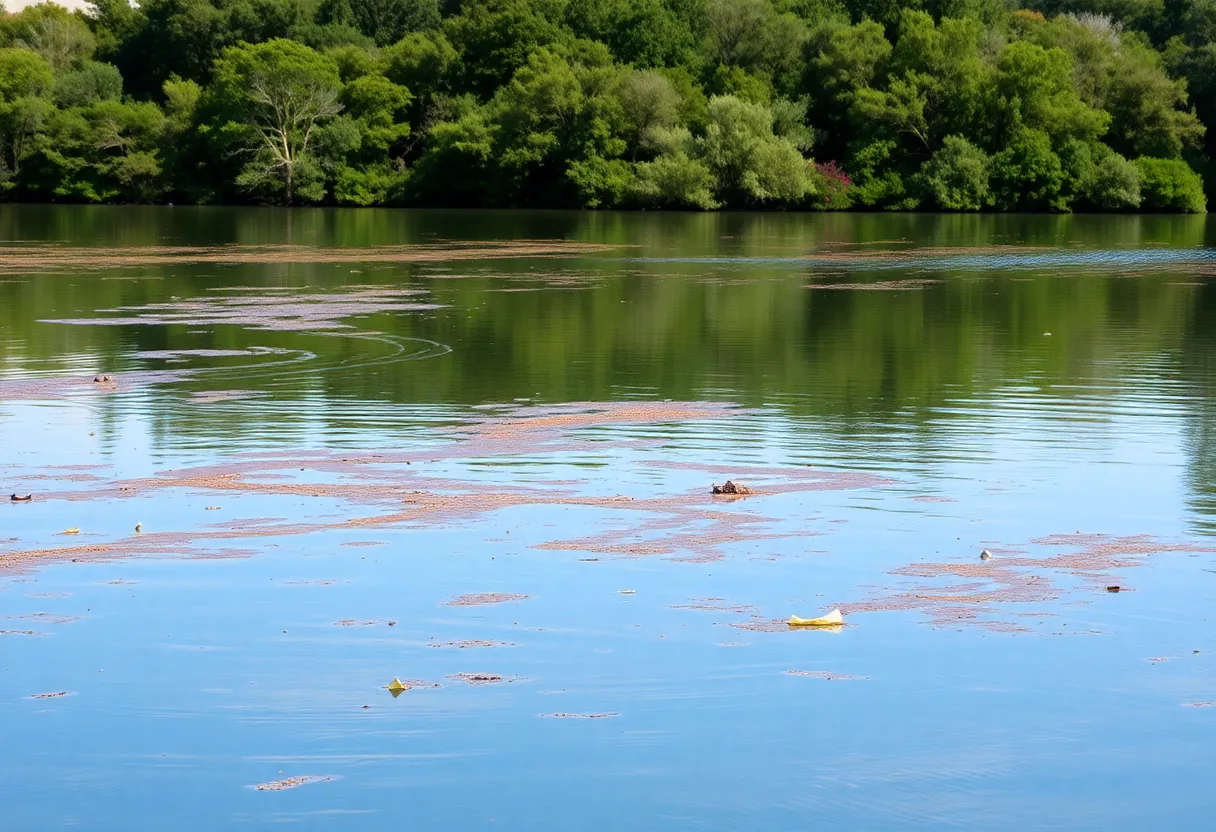
In a particularly revealing sample taken from a busy section of Lady Bird Lake, the volume of debris was so substantial that it exceeded the capacity of a single filter. This supports findings from a separate study that indicated alarming levels of microplastics at the mouths of significant urban tributaries in Austin. Most of these particles were traced back to tire and roadway sources, signifying a startling urban pollution issue.
While some companies have taken action by eliminating intentionally created microplastics from their products, unintended microplastics continue to be released during the everyday use of items made from plastic and rubber. The long-term health implications of microplastics on both humans and the overall environment are still under examination, compelling researchers and community leaders alike to address this growing concern.
Local residents have voiced their worries about the state of the city’s rivers, underscoring the need to raise awareness of pollution challenges in Austin’s waterways. Danielle Zaleski hopes her research will encourage the community to confront this escalating issue as the city’s population continues to grow.
Microplastics, a byproduct of human activity, serve as a reminder of the environmental challenges faced by urban areas, prompting urgent calls for action to mitigate pollution in Austin’s natural resources.
FAQ
What are microplastics?
Microplastics are tiny plastic fragments less than 5 millimeters in size, originating from the breakdown of larger plastic products or from synthetic materials like tires and clothing.
What sources contribute to microplastic pollution in Austin?
The primary sources identified in Austin include tire particles and roadway runoff, which introduce microplastics into local waterways.
What are potential impacts of microplastics on the environment?
Microplastics can accumulate in ecosystems and may affect vegetation and living organisms, leading to potential disruptions in food chains and local biodiversity.
Key Features of Microplastics in Austin Waterways
| Feature | Description |
|---|---|
| Definition | Tiny particles less than 5 mm from synthetic materials. |
| Main Sources | Tire and roadway particles are predominant. |
| Environmental Impact | Accumulation poses threats to ecosystems. |
| Human Connection | Human activities are the primary contributors. |
| Ongoing Research | Long-term health effects still under study. |
Deeper Dive: News & Info About This Topic
HERE Resources
Additional Resources
- KVUE
- Wikipedia: Microplastics
- Austin Monitor
- Google Search: Microplastics Austin
- KXAN
- Google Scholar: Microplastics
- KVUE Video
- Encyclopedia Britannica: Microplastics
- Austin Monitor
- Google News: Microplastics