

Austin, Texas, August 10, 2025
News Summary
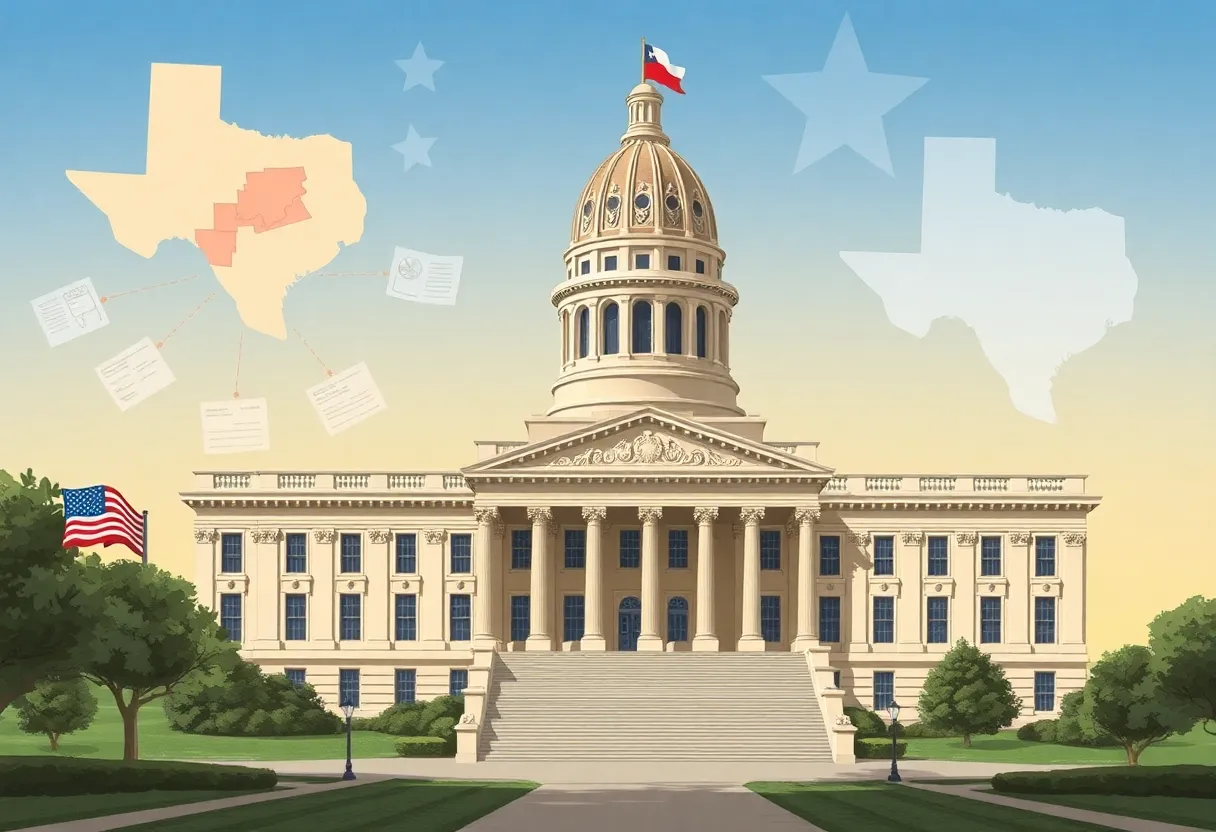
Texas House Republicans are struggling to reach a quorum necessary to pass a contentious redistricting map, as over 50 Democrats have temporarily left the state to block the initiative. The proposed map may add five congressional seats for Republicans but raises concerns about diluting Latino voting power. Democratic lawmakers, including Philip Cortez and Eddie Morales, argue the focus on redistricting sidesteps critical issues like flood relief. The GOP’s ambitious plan faces scrutiny and potential legal hurdles amid demographic shifts leading to the 2024 elections.
Austin, Texas – Texas House Republicans are currently facing a significant hurdle, as they are five members short of the required quorum to pass a proposed congressional redistricting map. This map, which could potentially add five congressional seats for the Republican Party, is under scrutiny after over 50 Texas House Democrats left the state on Sunday in an effort to block the redistricting initiative.
The absence of the Democratic lawmakers has prompted warnings of fines and legal action from state leaders, including Governor Greg Abbott, House Speaker Dade Phelan, and Attorney General Ken Paxton. This situation creates a challenging environment for the GOP, which finds itself needing additional members present in order to move forward with their legislative agenda.
Among the Democrats who opted to stay is State Representative Philip Cortez from San Antonio, who has taken a stance against mid-decade redistricting and aims to fight the proposal procedurally at the Capitol. Additionally, State Representative Eddie Morales has also chosen to remain, emphasizing the importance of representing the communities in Central and South Texas. Both Cortez and Morales have criticized the focus of the special session on redistricting rather than pressing issues like flood relief efforts in Texas.
The redistricting plan has drawn widespread criticism, particularly from civic groups concerned that it may dilute the voting power of Latino voters and undermine candidates of color. Critics are claiming the proposal undermines the Voting Rights Act and is unconstitutional, emphasizing the need for more Latino-majority congressional districts in Texas. Political leaders, including Latino representative Greg Casar, have expressed alarm over the potential reduction of Latino representation as a result of the impending district changes.
The shifting boundaries primarily serve to benefit Republican candidates ahead of the 2024 elections. Recent statistics indicate that Texas’s Hispanic population, which comprises about 40% of the state, has seen limited representation in congressional seats. The proposed map potentially results in an extensive dilution of existing Latino-majority districts, creating additional electoral challenges for Latino candidates.
In the backdrop, political analysts are cautioning the Republican Party against their aggressive redistricting plans. There is a sense that these ambitious goals may backfire should demographic trends continue to shift and voter patterns evolve, especially as the mid-term elections approach. Uncertainty remains about whether more Democratic lawmakers will return to the House floor when sessions resume on Monday.
As the situation continues to develop, the outcome will likely have substantial implications not only for Texas politics but also for the overall representation of minority communities within the state.
Frequently Asked Questions
What is the current situation regarding the Texas congressional redistricting plan?
Texas House Republicans are five members short of the quorum needed to pass a new redistricting map that could potentially add congressional seats for the party, while over 50 House Democrats left the state to block this effort.
What are the consequences for the absent Democratic lawmakers?
Democratic lawmakers face potential fines and legal threats from state leadership, aimed at compelling their return to the House for voting on the redistricting plan.
Why is the redistricting plan controversial?
The proposed redistricting plan has raised concerns that it could dilute the voting strength of Latino voters and undermine candidates of color, potentially violating the Voting Rights Act.
How do political analysts view the redistricting efforts?
Political analysts warn that the GOP’s ambitious redistricting goals might backfire if demographic trends lead to changing voter patterns, particularly leading into the midterm elections.
Key Features of the Texas Redistricting Situation
| Feature | Description |
|---|---|
| Quorum Requirement | Five members short for GOP to pass the redistricting map. |
| Democratic Response | Over 50 House Democrats left Texas to block the redistricting effort. |
| Concerns Raised | Potential dilution of Latino voting strength and representation. |
| Key Proponents | State Reps Philip Cortez and Eddie Morales remain to represent communities |
| Political Implications | Changes could favor Republicans ahead of the 2024 elections. |
Deeper Dive: News & Info About This Topic
HERE Resources
Texas House Fails to Establish Quorum Amid Redistricting Crisis
Texas House Democrats Flee State to Protest Redistricting
House Democrats Challenge GOP Gerrymandering in Texas
William Inboden Appointed Provost at University of Texas at Austin
Texas Republicans Propose Controversial Redistricting Map
Texas House Democrats Stage Quorum Break to Block Redistricting
Texas Democrats Flee to Block Redistricting Efforts
Governor Abbott Orders Arrest of Fleeing Texas Democrats
Governor Abbott Threatens Legal Action Against Absent Democrats
Texas Governor Orders Arrest of House Democrats Amid Redistricting Conflict
Additional Resources
- ABC News
- Wikipedia: Texas Redistricting
- The Guardian
- Google Search: Texas Redistricting
- ABC13
- Google Scholar: Texas Redistricting
- FOX 7 Austin
- Encyclopedia Britannica: Texas Redistricting
- CNN
- Google News: Texas Redistricting