

News Summary
The Texas House of Representatives has passed House Bill 40, a significant legislative change for businesses in Texas. The bill expands the jurisdiction of the Texas Business Court, lowers the amount-in-controversy requirement from $10 million to $5 million, and welcomes new types of cases including intellectual property matters. Additionally, the Business Court can now handle arbitration matters. As Texas positions itself as a competitive alternative to Delaware for corporate governance, businesses are encouraged to adapt to these new legal frameworks starting September 2025.
Texas Businesses Celebrate House Bill 40: A Game Changer for Corporate Litigation
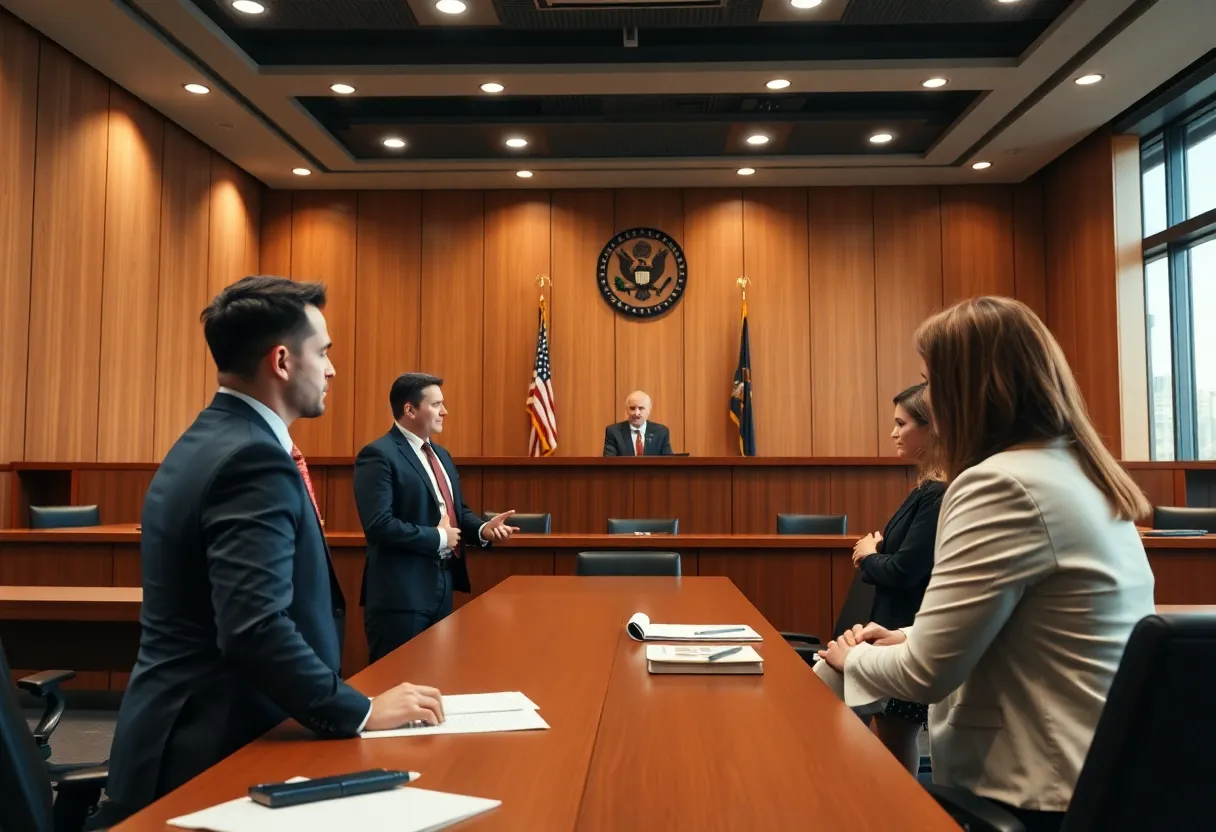
Texas businesses are set to benefit from significant changes in the legal landscape following the passage of House Bill 40 by the Texas House of Representatives on May 13, 2025, with a vote of 99–40. Governor Abbott has swiftly signed the bill into law, which will take effect on September 1, 2025. This legislation aims to revamp the Texas Business Court, paving the way for a more favorable environment for corporate litigation.
Expanded Jurisdiction for Business Court
One of the primary features of House Bill 40 is the expansion of the jurisdictional and operational framework of the Texas Business Court. Previously limited to governance and securities cases, the Business Court can now address a broader range of complex business disputes. This change enhances Texas’s appeal as a venue for corporate litigation, encouraging companies to resolve disputes within the state rather than seeking alternative jurisdictions.
Lower Amount-in-Controversy Requirement
A noteworthy alteration in the bill is the reduction of the amount-in-controversy requirement from $10 million to $5 million. This important shift lowers the jurisdictional barrier, enabling more businesses to seek relief through the Business Court. It allows litigants to aggregate claims from multiple parties to meet the newly established threshold, thus leveling the playing field for smaller companies.
Inclusion of New Case Types
With the new law, the Business Court can now tackle cases involving intellectual property and trade secrets, bringing these critical areas under its jurisdiction for the first time. This change responds to the evolving challenges businesses face in a modern economy and establishes a much-needed venue for disputes in these sensitive domains.
Clarification on Arbitration Matters
Furthermore, House Bill 40 provides a clear definition of the Business Court’s authority over arbitration matters. The court will now have the power to enforce arbitration agreements, appoint arbitrators, and review arbitral awards. This clarification streamlines the litigation process for businesses, making arbitration a more viable option for resolving conflicts.
Potential Shift in Corporate Venue Preference
Historically, Delaware has been a favored choice for corporate governance due to its well-established legal framework. However, growing scrutiny of Delaware’s Chancery Court, coupled with rising concerns from institutional investors, has opened the door for Texas to become a more attractive alternative. Reports indicating excessive fees for plaintiffs’ attorneys in Delaware may further enhance Texas’s appeal as a venue for litigation.
Impacts on Texas Corporations
The enactment of House Bill 40 necessitates that corporate entities review their governance documents to align with the new regulations. Companies are encouraged to seize the opportunities presented by the expanded jurisdiction of the Business Court, ultimately fostering a more dynamic and fair legal environment for commercial disputes.
Looking Forward: A New Era for Texas Business Litigation
House Bill 40 is part of a broader legislative initiative, following Senate Bill 29, which also aimed to improve the Business Court’s jurisdiction over corporate governance matters. With these substantial shifts in place, Texas is poised for a transformative period that prioritizes efficiency and equity in corporate litigation.
As the September 2025 implementation date approaches, Texas businesses can anticipate an empowered environment that promotes accessibility and fairness in legal proceedings. The recent changes suggest a bright future for the Lone Star State as a premier location for corporate litigation.
Deeper Dive: News & Info About This Topic
- National Law Review: Texas Governor Signs HB 40
- Vinson & Elkins: Potential Changes to Texas Business Courts
- Jackson Walker: Insights on Texas Business Court Exculpation Clause
- Norton Rose Fulbright: What is a Qualified Transaction in the Texas Business Court
- News 13: Texas Changes to Lure Business Amid Dexit Concern
- Wikipedia: Texas
- Google Search: Texas business court
- Google Scholar: Texas business litigation
- Encyclopedia Britannica: Texas
- Google News: Texas business court changes