

News Summary
Texas has enacted new legislation focused on food safety, requiring warning labels on products containing over 40 controversial additives. Governor Greg Abbott signed Senate Bill 25, aiming to improve public health by shining a light on ingredients deemed unsafe in other countries. This change affects a variety of popular snacks, including M&Ms and Cheetos. With a deadline set for 2027, food producers are adjusting their recipes as they navigate potential consumer backlash and legal challenges. The law signifies a shift towards healthier regulations in Texas’s food landscape.
Texas Takes a Stand on Controversial Ingredients in Food
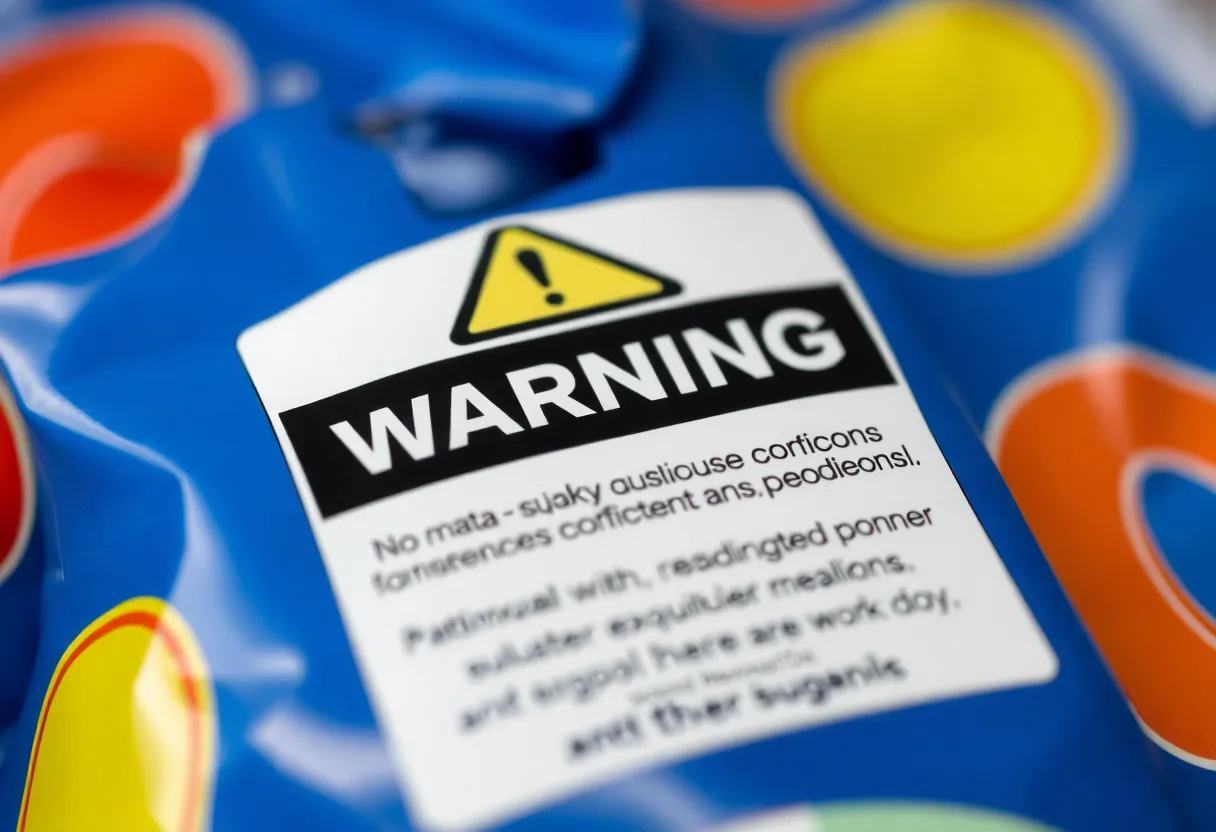
Texas has taken significant strides toward enhancing food safety with the recent signing of Senate Bill 25 by Governor Greg Abbott. This new legislation mandates warning labels on food and beverage products that contain certain ingredients deemed “not recommended for human consumption” by other countries.
What This Law Means for Texans
Beginning September 2027, any food or drink item sold in Texas that contains one or more of over 40 controversial additives will be required to carry specific warning labels. Examples of these products include well-known snacks and beverages such as M&Ms, Cinnamon Toast Crunch, and Fanta. The legislation is part of a broader health initiative called the “Make America Healthy Again” campaign, which is aimed at promoting healthier eating habits among Texans.
This legislative shift is noteworthy, as Texas has historically maintained a reputation for less regulatory oversight in the food industry. With a population exceeding 31 million, the decisions made in Texas may influence food labeling practices across the country.
Ingredients Under Fire
The law specifically targets ingredients such as synthetic dyes, bleached flour, and other additives banned or requiring warnings in various countries, including Australia, Canada, and members of the European Union. Popular snacks like Cheetos, Doritos, and Skittles will also be affected if they continue to utilize these ingredients.
Food manufacturers will have until 2027 to replace these controversial ingredients with safer alternatives or risk facing consumer backlash stemming from the warning labels. If the FDA or USDA later declares these ingredients safe, companies could be exempt from the labeling requirement. Nonetheless, any forthcoming federal regulations that enforce new safety standards will take precedence over state laws.
The Food Industry’s Response
Major food producers, including Kraft Heinz Co. and General Mills Inc., have already begun adjusting their recipes to conform with the new focus on health. This proactive stance highlights the industry’s capability to adapt to evolving consumer preferences, especially given the increasing awareness around food additives and their potential effects on health.
Legal Challenges Ahead?
Despite the well-intentioned goals behind this legislation, it is likely to face legal challenges. Several food industry organizations are expressing concerns that the bill’s scope may be overly broad and reliant on international standards, which may not align with existing U.S. regulations. The legal ramifications of this legislation may play a significant role in its implementation and future enforcement.
A Broader Impact on Health
In addition to the labeling requirements, the bill introduces various health initiatives, including updates to nutrition training in Texas medical schools and the establishment of a state nutrition advisory committee. This represents a significant transition from traditional Republican support for minimal regulation to a more health-conscious agenda.
Proponents of the legislation are optimistic about its potential to improve public health outcomes and encourage better food practices within the industry. By illuminating ingredients that might be harmful, the initiative seeks to empower consumers to make more informed dietary choices.
Looking Ahead
This new regulatory change marks a critical turning point in the food landscape of Texas, with the goal of prioritizing health and safety in food consumption. Whether this move will inspire similar changes in other states or influence national food safety standards remains to be seen. However, Texas is undeniably signaling a shift in regulatory stance, urging consumers to pay closer attention to food labels as changes begin to take effect in the near future.
Deeper Dive: News & Info About This Topic
- Washington Post: Texas Food Warning Labels
- Bloomberg: Texas Law Requiring Warnings on Some Foods
- Stat News: Texas Senate Bill 25 Targets Additives
- Food Dive: Texas Food Label Warning
- Wikipedia: Food Additive